Steve Ferrante's High Performance Blog for Sales/Customer Service/Leadership Champs and Progressive Professionals!

Posts tagged ‘Steve Ferrante’

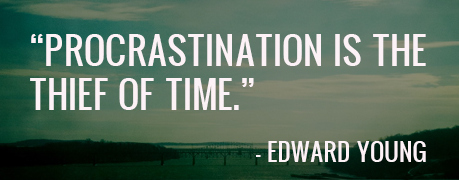
Top 3 Reasons Champions Don’t Have Time To Procrastinate
procrastination_young

If you’re a procrastinator, there’s a really good chance you’ll book-mark this article to read later. That would defeat the purpose, sort of like that book on “how to improve your memory” I can’t seem to find. 

Never leave that till tomorrow which you can do today. – Ben Franklin

It’s been over a couple hundred years since Benjamin Franklin shared that success tip with the world and one would think that’s ample time to catch on with the human race.

The reality is that many (if not most) folks function closer to what Mark Twain later said in his comical paraphrase of Franklin: 

 Never put off till tomorrow, what you can do the day after tomorrow – Mark Twain

Knowing that procrastination is likely the single biggest killer of productivity, why are so many people (perhaps you) plagued by it? There are many reasons and much has been written about them over the years.

Here’s my Top 3 Reasons Champions Don’t Have Time To Procrastinate:

1) Champions Don’t Wait For Success, They Go To It
tomorrow-noun

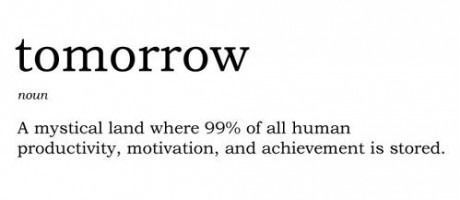
Are you postponing important tasks, waiting until you have more time so you can really focus and get the job done perfectly? After all, who wants to rush in and get a task done poorly now when you can wait and get it accomplished perfectly later?  No doubt later you’ll have more time and energy too. 

Or, if you’re like most people, you won’t. You’ll just take up more valuable time procrastinating and putting off what’s most important to your success. 

A good plan violently executed now is better than a perfect plan executed next week. – George S. Patton

As General Patton pointed out, in warfare it is a strategic advantage to execute a course of action rapidly. Procrastination in action and agonizing over the ‘perfect’ solution can (and often does) lead to a foe gaining the upper hand. So, while you don’t want to make hasty decisions, you also can’t afford to lose ground and risk failure due to your inability to act quickly.

2) Champions Face Challenges Head On
Procrastination Issues

As I wrote in my previous post, high-achievers typically excel at overcoming challenges to reach their goals.

It’s human nature to want to avoid difficulties. When we face difficult tasks, our brains are hard-wired to side-step them, especially when there are so many easier things we could do with that same time. Would you rather write that sales letter or check out the latest funny cat video on YouTube? Without discipline, most folks are easily distracted by such less demanding activities. 

Behavioral psychologist’s refer to this behavior as negative reinforcement. We avoid a difficult task by replacing with an easier one (like that cat video) and we’re rewarded (with entertainment) making us feel better. Ultimately, these types of rewards for avoiding the more difficult tasks reinforces the behavior and we establish a habit of repeating the act over and over, killing our productivity. 

One of my favorite success tips for overcoming procrastination is from Brian Tracy who literally wrote the book on stopping procrastination, Eat That Frog! As described in this short video, the title of the book refers to doing the most difficult task on your to-do list, eating that frog, first so you get it done and avoid the likelihood of procrastinating and avoiding it later. Good stuff!

3) Champions Are 100% Committed
NoExcuses

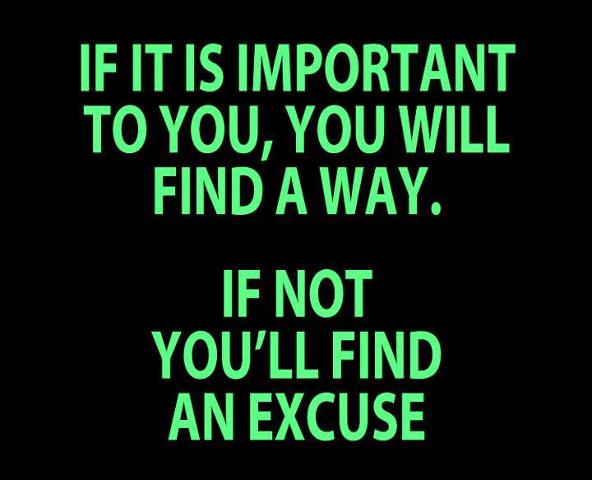
A popular psychological definition of procrastination is “the gap between intention and action”. When we’re truly committed to something we’re focused and motivated to take action and fill that gap by completing the required tasks in a responsive fashion. When we’re not truly committed, we’re not focused or motivated and it’s easy to get side-tracked find other things to fill the gap.  

As I wrote about in Passion Powers Performance, a big deterrent to performance is a lack of passion and engagement with the work and/or workplace. Very few folks are eager to do anything when they lack enjoyment or fulfillment from doing so. 

Some of this lack of motivation is often attributed to a poor corporate culture where nobody is motivated to do much of anything, fostering procrastination. As Newton’s First Law of Motion states a body at rest will remain at rest until an outside force acts on it. Effective leadership and a winning team culture‘ are tremendous forces to get people motivated and moving and progressing, minimizing procrastination.

Of course, none of this should be a substitute for personal accountability and taking responsibility for your own actions and ultimate success. Whereas weak and average performers typically waste precious time and make excuses, high-achievers maximize their time and create results!

In other words.. Champions Don’t Have Time To Procrastinate!
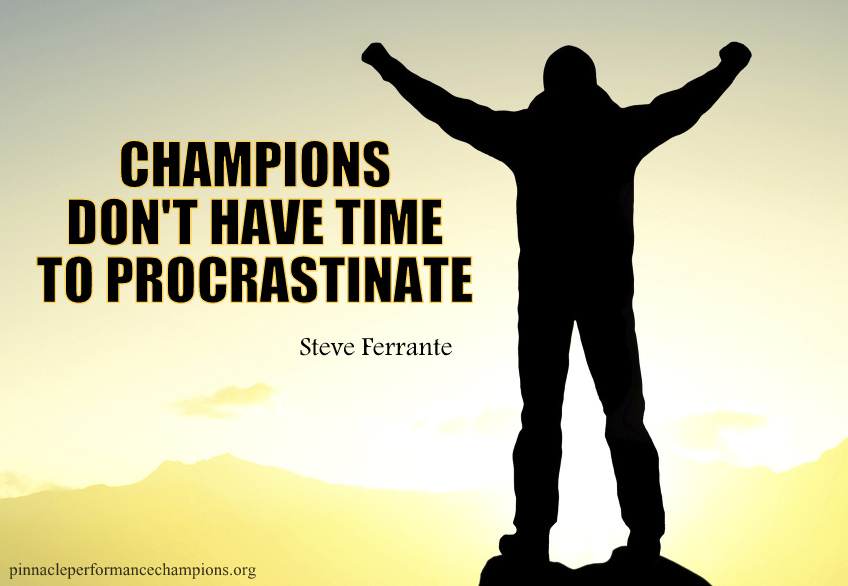
Champions Don't Have Time To Procrastinate

Make a Great Day!

Steve 🙂

steveferrante.com

This article is on LinkedIn Pulse here > Top 3 Reasons Champions Don’t Have Time To Procrastinate
Eight Great Practices for Creating a Winning Team Corporate Culture

Never Doubt Committed People

You can have the best business plan and build the finest facility but, at the end of the day, none of that matters without a winning team of employees that are committed to the business and its success.

Of course, it helps to hire the right people to begin with – those with a winning personality and mindset that best fit your ‘winning team’ culture. 

Beyond hiring winners, however, creating (and sustaining) a true Winning Team corporate culture is not something that magically appears. It must be cultivated and will flourish or flounder depending on how it is managed.  

To help you with that, here are my great eight practices for creating a Winning Team corporate culture that support world-class sales and customer service objectives:

  • Unengaged Employees Don’t Create Engaged Customers

While this is more of an affirmation than a practice, it’s really important you keep this fact at the forefront of your creating a winning team corporate culture efforts.  If employees are displeased at work you can bet some of that displeasure is spilling over into their customer interactions and, ultimately, costing the business substantial dollars in lost revenue. All of the following practices foster and build employee engagement.

  • Set The Bar

Do you have documented values and best practices that set of standards of performance and state clearly what your organization stands for and what is expected of employees to achieve it? Remember, a goal without a plan is just a wish. Communicating your organizations’ commitment to excellence through values and best practices ensures everyone is on the same page and there is no confusion with your Winning Team Culture mission.

Establishing values and best practices is an integral part of my exclusive training tool-kit/portal program for clients. Visit Your Training Portal for details.

  • Demonstrate Care

A Winning Team Culture can only survive and thrive in a caring and supportive environment. When employees feel like machines, not human beings, they become emotionally detached from the business and tend to go through the motions to get through the day.

To build a winning team culture, managers should always treat their team employees exceedingly well. Do you treat your employees in a manner that is consistent with the way you want them to treat customers? Many managers do not, yet they expect their personnel to excel when it comes to positive customer interactions.

Managers should initiate contact with team members on a regular basis, both formally and informally.  Taking time with employees to show an interest in their work, listening to their issues and experiences demonstrates that you value their contribution and builds morale and motivation.

  • Communicate Well

Can you hear me now? Too often employees don’t feel like they have a true voice in the company, that no one is really listening and their opinion doesn’t matter. Winning Team cultures encourage information sharing and promote an environment of open communication where employees are comfortable contributing their feedback and ideas.

  • Live “Winning Team” Every Day

Creating a winning team culture is not something that happens at the corporate headquarters behind closed doors. It’s in the stores, the service areas, the warehouse, and everywhere else employees interact with customers and each other.

Managers need to be physically (and mentally) present in the workplace to consistently communicate the winning team message with employees, reinforce a commitment to excellence and promote continuous improvement for individuals and the company as a whole. 

  • Be a Champion Cheerleader

Perhaps nothing builds a Winning Team corporate culture better than recognition. It’s amazing what can be achieved when people feel appreciated! Recognition and praise goes a long way towards building positive team spirit and morale. Managers should always seek out opportunities to acknowledge both individual and team efforts and celebrate jobs well done.

Make saying ‘thank you’ a habit and always let employees know when they have performed well. This reinforces and encourages proper behaviors, builds trust and strengthens the culture.

  • Promote Progress

The old adage fits here, “If you’re not growing, you’re dying”.  It’s the same with employees and corporate cultures, they must move forward or they will deteriorate over time. Managers need to make progress a priority and not settle for status quo. Whenever possible, take the opportunity to encourage the next phase of employee and team growth. Engagement and productivity improve when employees know how they are doing now and what they can expect in the future.

  • Have Fun

Okay, I admit it, this is my favorite one. As I discuss in my Pinnacle Performance training, having fun at work is a business strategy. It gets back to practice # 1, unengaged employees don’t create engaged customers. There’s a reason so many market-leading companies are also considered to be the best places to work. They know happiness matters and they create a culture of fun in the workplace that improves employee morale and productivity.

See my YouTube video, Workplace FUN Tips! for some fun inspiration.

Make a Great Day!

Steve 🙂

Steve Ferrante is the CEO & Trainer of Champions of Sale Away LLC., providing Pinnacle Performance Sales, Customer Service and Winning Team Culture training, speaking and professional development services to success-driven businesses throughout North America. For more information on Steve and Pinnacle Performance services for your team visit saleawayllc.com

Using a SWOT Analysis to Improve Sales and Customer Service Performance

swot-analysis

As I train all my Pinnacle Performance clients, effectively improving an organizations sales and customer service effort should begin with an honest evaluation of the organizations current performance to establish a baseline from which improvements can be addressed.

One of the best ways to to gain a clear understanding of how your organization is currently performing is to conduct a SWOT analysis.

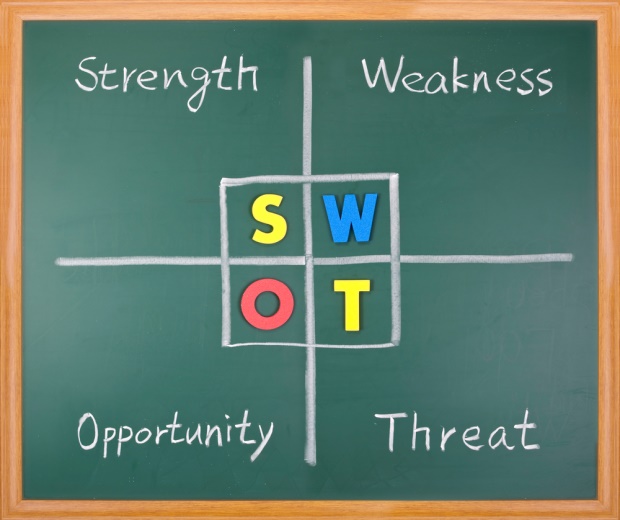
As a strategic-planning management tool, a SWOT analysis evaluates the 4 areas represented by the letters of the name:

S = Strengths
W = Weaknesses
O = Opportunities
T = Threats

Who Should Participate?

Many businesses will only have the senior executives participate in a SWOT analysis process. While that can be worthwhile for an operational analysis, a SWOT that focuses on sales and customer service should absolutely involve all employees that regularly interface with customers. These staff members have first-hand knowledge of the company’s strengths and weaknesses and can provide valuable insight as to what is happening at the critical point-of-sale on a day-to-day basis.

Print

The SWOT analysis process is straight-forward – objectively consider each of those four key areas. In addition, think about what the customer’s perspective might be in each of those areas, and consider how what you do aligns with that outlook.

Strengths:

What sales/customer service strengths exist in your business now?

To help determine this, focus on the perspective of what customers and the market (competitors, the industry) consider as your organizations primary sales/customer service strengths.

In addition, you should determine what competitive differentiators exist? These are areas that your organization is unique (faster, better, more cost-effective) than the competing business’s your potential customers may also shop.

Top strengths typically include:

  • People/Staff
  • Reputation (Longevity in Market)
  • Customer service
  • Product Availability
  • Speedy Service
  • Knowledge of products and services
  • Trustworthy

Customer Perspective:

I am the greatest strength in your organization for without me there is no business to be had.  If you take really good care of me I will help your business thrive and grow. If you don’t, I’ll be more than willing to take my business to one of your competitors that will.  

Weaknesses:

What sales/customer service weaknesses exist in your business now?

It’s critical to be honest in assessing this area. Again, focus should be from the viewpoint of what customers and the market consider as your organizations primary customer service short-comings. These are your competitive disadvantages.

Top weaknesses typically include:

  • Some employees (weak performers)
  • Employee turnover
  • Communication and Phone Skills
  • ‘Winging It’ – lack of professional systems and processes
  • Communication between service and sales teams
  • Too quick to discount to save sale
  • Inconsistency

Customer Perspective:

I can be the greatest weakness in your organization. I prefer to do business with a strong organization and your weaknesses are damaging my confidence.  It only takes one weak performance for me to consider alternatives for my future needs. If I’m merely satisfied by your service, I’ll swiftly depart as soon as I find someone who exceeds them.

Opportunities:

What sales/customer service opportunities exist in your business now?

Opportunities are potential future strengths. What opportunities does your company have to use its strengths to increase sales and market share? How does your strategy address capturing these opportunities?

Top opportunities typically include:

  • Recruiting/Attracting quality employees (replacing weak performers)
  • Training; Improving Sales/Customer Service Skills
  • Exceeding customer expectations
  • Improving corporate culture
  • Institutionalizing processes to create consistency

Customer Perspective:

I can be the greatest opportunity in your organization. I cost far less to keep than it does for you to secure a new customer. But you must truly value me and consistently demonstrate your value to me through your actions. If you’re effective, your opportunity extends beyond just me and I’ll be sure to tell my friends and family how well I’ve been treated. If you fail, I will become one of your competitors opportunities.

Threats:

What sales/customer service threats exist?

Threats are potential future weaknesses. What threats imposed by competitors and/or the market does your organization face? What are the consequences if your customer service effort does not effectively combat these threats?

Top threats typically include:

  • Increased competition (online, national chains, etc.)
  • Poor Customer Service (Wait times, etc.)
  • Losing good employees
  • Losing customers
  • Social Media
  • Complacency

Customer Perspective:

I can be the greatest threat in your organization. I have plenty of alternatives for your products and services. If I feel undervalued, I will leave for somewhere I feel valued. If you’re trying to sell me with your best interest in mind, I’ll take my business to someone who helps me buy with my best interest in mind. If you cannot resolve a concern/problem to my satisfaction not only will you lose my business but I will tell my friends and family not to do business with you.

Action Plan

There’s a popular quote,  a goal without a plan is just a wish. This view certainly applies here and there’s no sense in conducting a SWOT analysis unless you plan to take deliberate action with your findings. Many SWOT analysis end up being nothing more than a bunch of ‘findings’ as the partaking business fails at this last critical step of creating a clear action plan.

The ‘Big Picture’ objectives:

  • Strengths need to be effectively maintained, built upon and maximized.
  • Weaknesses need to be effectively remedied or eliminated.
  • Opportunities need to be effectively prioritized and optimized.
  • Threats need to be effectively countered or minimized.

As a strategic meeting facilitator, I recommend these steps to successfully develop your action plan:

1) Review each area of your SWOT matrix and prioritize your findings into two lists: one that is short-term with issues you plan to address within the next 6 months and one that is longer term of 6 months and beyond.

2) Set the specific actions you will take to achieve the objectives. This will take some brain-storming and strategic thinking and should be the longest part of your planning process. Remember the ‘action’ part of the action plan matters most so don’t rush this step!

3) Attach a time-frame to each of the objectives with ‘benchmark’ dates to check on your progress along the way. Shorter, ’round-table’ meetings should be planned in accordance with these dates.

4) Assign an employee or employees to be in charge of each action area. This is another major reasons SWOT analysis fail; everyone has good intentions but no one ‘owns’ anything so ultimately little gets accomplished.

Follow these steps, and keep the customers perspective in mind at all times,  and you will have a successful action plan to increase your sales and customer service efforts!

Make a Great Day!

Steve 🙂

Steve Ferrante is the CEO & Trainer of Champions of Sale Away LLC., providing Pinnacle Performance Sales, Customer Service and Winning Team Culture training, speaking and professional development services to success-driven businesses throughout North America. For more information on Steve and Pinnacle Performance services visit Sale Away LLC. Steve can be reached @ steve@saleawayllc.com

Passion Powers Performance – Do You Really Have It At Work?

People with Passion can Change the World for the Better

Merriam-Webster Dictionary defines passion as “a strong feeling of enthusiasm or excitement for something or about doing something.” 

Do your fellow colleagues have a passion for their work? Mort importantly, do you?

People who study success (conspicuously raising my hand) will tell you that passion and success go hand-in-hand.

It’s no great secret that many folks have little to no passion for their work.  As I wrote about here, these folks have no Zip in their Do Da and typically drag themselves through the day.  They consider work a paycheck and their #1 goal is getting through the week to cash out.

If you aren’t fired with enthusiasm, you’ll be fired with enthusiasm – Vince Lombardi

As the above quote suggests, legendary football coach Vince Lombardi was quite serious about passion and enthusiasm with his players. He knew that passionate, enthusiastic players would have magnetism that would drive each other to give it their best to succeed.

This same contagious ‘magnetic effect’ is also true in the workplace and, properly managed, can power a business to new levels of success.

World-class companies know that passionate, enthusiastic employees are the best kind to hire and retain. They typically work harder and seek to improve themselves and their performance on the job. And, from a sales stand-point, enthusiastic employees naturally have far greater customer engagement than those that are dispassionate on the job.

Sadly, the average business typically has many more unmotivated, unenthusiastic employees. Often poor management is the root cause of the problem with uninspired managers demotivating team members with their disengaging behaviors and lack of on-the-job enthusiasm. However, a poor or weak manager should be no excuse for each employee’s Personal Responsibility In Delivering Excellence.

Test Your Passion

It’s not hard to assess your passion and/or those of your co-workers on the job. Refer back to that opening definition; “a strong feeling of enthusiasm or excitement for something or about doing something.” Is that how you feel about your work?

Passion is all about engagement. Those with true passion are ‘fired up’ for and at their job. They are positive, look forward to their work, have high energy, and their time there seems to fly by.

Those with little to no passion are negative, dread Monday mornings, bring no energy to their work, and their on-the-job time seems to crawl by as they count the minutes until they can run away from it.  

Obviously, one of these folks is far more productive than the other. 

You may be thinking, my work is not special.. I’m only a salesperson, a customer service rep, another worker bee.. what do I have to be passionate about?

How about being the best at what you do?

You may not have a deep-seated personal passion for what your business sells, tires or auto parts as an example, and that’s okay. You should, however, have a passion for your profession and to be the very best you can be in your role.

If you’re a sales or customer service representative, that means having a passion for selling and helping potential customers purchase your product or service, providing the best in customer service and exceeding expectations. 

do-it-with-passion-or-not-at-all-quote

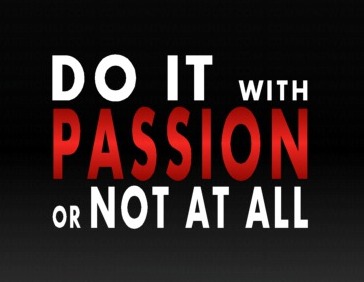
If you don’t have a passion for being the best at what you do where you are currently doing it then you’re probably in the wrong job and positioned for failure or, at best, mediocrity. In other words, if you can’t do your job with passion then you probably shouldn’t do it all. Face the fact that you’ll never achieve the level of success you are capable of achieving without that true passion – you are costing yourself and your business – and move on. 

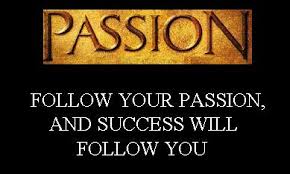
For, when you follow your passion, success will follow you.

PASSION1

Make a Great Day!

Steve 🙂

This article is also on LinkedIn @ Passion Powers Performance

Steve Ferrante is the Grand PooBah & Trainer of Champions of Sale Away LLC. He has a profound passion for delivering his Pinnacle Performance Sales, Customer Service and Winning Team Culture training, speaking and professional development services to success-driven organizations throughout North America. For detailed information visit Sale Away. Steve can be reached directly at 866-721-6086 ext. 701 or via email at steve@saleawayllc.com


Put Some Zip In Your Do Da!

Put Some Zip In Your Do Da

“Put Some Zip In Your Do Da!” is one of my favorite Pinnacle Performance maxims and for good reason…  it is the fuel of high performance!

We all have that daily ‘Do Da’ we do but all too often there’s little zip in it.

The fact is positive attracts positive in all we do. A positive, upbeat attitude typically influences a similar positive response in your customers, co-workers and everyone else you interact with.  Conversely, a negative or poor attitude repels, typically influencing a similar negative response from others.

Pinnacle Performers in sales or customer service demonstrate Zip with their upbeat, friendly tonality never sounding bored or tired.   

Your outward appearance also says a lot about your Do Da. High level politicians up to the President of the United States are coached on body language and how to present themselves to the public because we the people expect leaders to look a certain way.

Leaders (that people want to follow) and successful folks in general are not those that look like they’re carrying a heavy burden and dragging themselves along day after day.

We’ve all seen these sleep-walking Sally’s at work:

Sleep-Walking

To quote Aerosmith, their ‘get up and go must have got up and went’. A sweet emotion interacting with these folks it certainly is not. 

For your selling/customer service/life purposes, recognize that people naturally gravitate towards people who are successful and avoid failure at all costs. Pinnacle Performers project Zip with an energetic pep in their step, good posture and a can-do demeanor that delivers a message of confidence and success. 

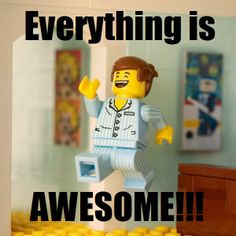
Did you see the The LEGO® Movie? I sang “Everything Is Awesome!” for about a month straight and still do whenever it pops into my head. Perfect inspiration to get your Zip going!

Everything Is Awesome

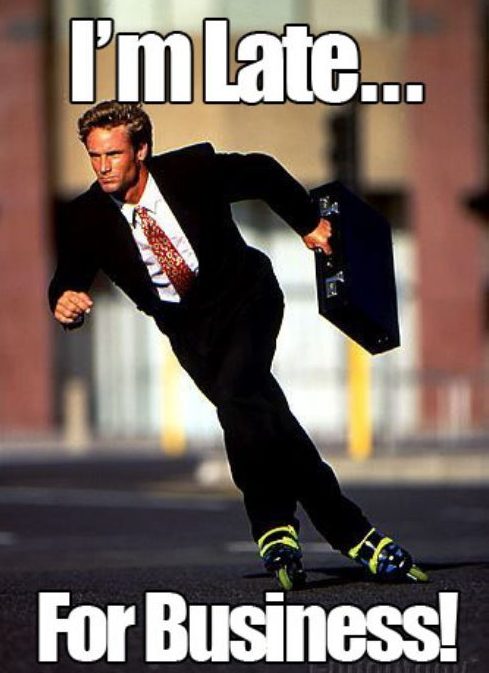
This guy has some serious Zip in his Do Da too:

lateforbusiness

Insert your peppy self here…

Peppy Pete

Here’s a short clip on the topic from a keynote presentation I gave back in 2012:

In a nutshell, you can achieve more and contribute to making work (and the world) a better place with more Zip and less dip in your Do Da!

Sale Away Do Da Logo

Show Your Zip with assorted apparel and unique merchandise available here > Pinnacle Performance Online Store

Make a Great Day!

Steve 🙂

(I don’t just preach Zip for your Do Da, I practice and teach it too)

Would You Buy You?

For-Sale

When you go shopping for anything, have you noticed how many items are advertised as “Old & Degraded”? Probably not. How about “Same Ol’ Same Ol'”? Very likely, no. It’s safe to say that neither of those are popular product labels. On the other hand, “New & Improved” is on just about everything advertised everywhere at all times. It seems you can’t walk down the aisle of a supermarket without being bombarded by these signs of continuous product improvement.

Do you remember Pop Tarts? Well, when I was growing up Pop Tarts and I were never far apart. Strawberry, blueberry, plain, frosted, I had to have them. After all, who doesn’t savor the wholesome goodness of a manufactured pastry snack? Well, as fate would have it, growing older Pop Tarts and I somehow drifted apart… perhaps replaced by my Slim Jim phase in the early 90’s but no one can be sure.

In any event, one day our paths crossed again but this time it was different… I can still vividly recall the big bold colorful letters as the store sign dramatically called out, “New and Improved Pop Tarts”. Surely you jest.. I hadn’t received the newsletter but, sure enough, right there perched in front of me, they were. They did look new and improved… The package was now a bright minty green, not that circa 1960’s white cardboard look of old. And, the toaster had obviously been working out as it was fit and trim with all the sparkly gleam of a new model.

Not one to miss the opportunity at what must surely now be true perfection, I swiftly snatched 2 boxes and departed. Well, guess what? Much to my astonishment, these were the same ol’ Pop Tarts I remember when I was a kid!?! Nothing perceptibly different I could muster. That’s not to say they were bad, just the same yummy good as before.

If you pay attention, you’ll notice this “New & Improved” marketing is being used regularly for a wide variety of products in many different industries. Of course, many of these products are indeed ‘new and improved’ in some way and that’s a good thing. 

More often than not, however, the actual improvements are so small that the most noticeable change to the consumer is in the packaging itself. These deliberate advertising/marketing efforts have proven to be effective time and time again or rest assured they would not be commonplace.

These same type of deliberate efforts need to be made by progressive professionals seeking greater levels of success.

The fact is… YOU are the product! 

YOU have a choice in the way you perceive yourself, package yourself and, ultimately, sell yourself to others.

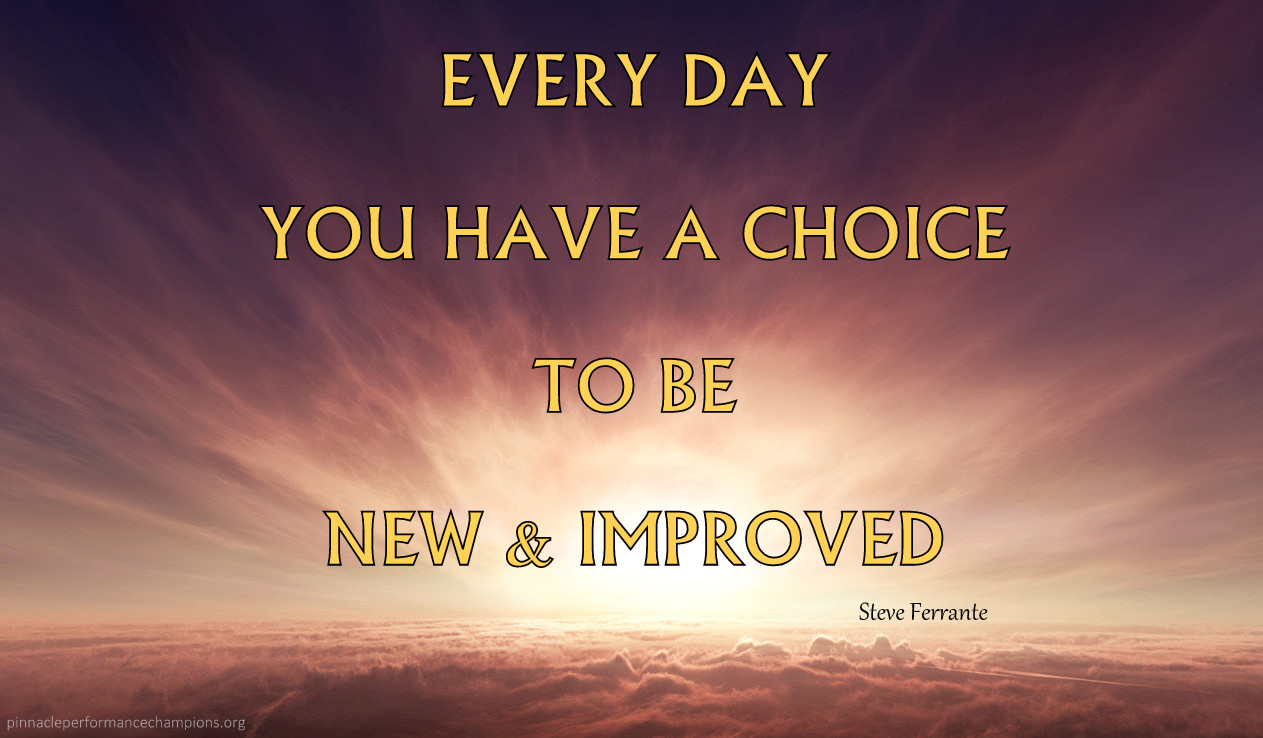
Every day you have a choice to be new & improved so ask yourself…

“New & Improved” or “Same Ol’ Same Ol”? Which one would you buy?

Every Day You Have A Choice To Be New & Improved

Make a Great Day!

Steve 🙂

Steve Ferrante is the Grand PooBah & Trainer of Champions of Sale Away LLC., providing Pinnacle Performance Sales, Customer Service and Winning Team Culture training, speaking and professional development services to success-driven organizations throughout North America. For detailed information visit Sale Away. Steve can be reached directly at 866-721-6086 ext. 701 or via email at steve@saleawayllc.com

4 Success Lessons from the Champion New England Patriots

DO YOUR JOB

The snow is coming down hard here (again) in the Boston area… the roads are terrible, schools are closed and my flight to a very valued client in Virginia was canceled by the airline.

All the makings of a very miserable Monday morning but somehow the sun shines bright and you can feel the positive energy in the air from the New England Patriots Super Bowl victory last night against the formidable Seattle Seahawks.

If you’re not from New England you may not be (likely are not) a big fan of the Patriots and that’s okay, it’s hard to be heroes without villains (queue maniacal laugh).

Despite personal feelings, everyone should admire and can learn from what the Patriots were able to accomplish this year – none more so than folks and organizations seeking greater success in the professional endeavors.

With that, here’s 4 Success Lessons from the New England Patriots I hope help you:

Lesson #1: It’s Not How You Start, It’s How You Finish

As Patriots fans well know, the team did not start the season in championship form, losing the first two games of the season. As bad as that was, the fourth game of the season was worse, much worse as they were pummeled and embarrassed by the Kansas City Chiefs in a devastating  41-14 loss on Monday Night Football. At that time, critics had a field day saying, among many other things, that the Patriots winning ways were behind them and quarterback Tom Brady was a has-been.

During the post-game interview, coach Bill Belichick was asked about all this and emphatically replied, “We’re on to Cincinnati,” referring to their next game. The Patriots then won their next seven games.

In football as in life, it’s a long season. You will have setbacks. Put them behind you and move forward.

Lesson #2: Prepare To Win or Prepare To Lose To Somebody Who Is Prepared To Win

Legendary University of Alabama head coach, Paul “Bear” Bryant, said, “It’s not the will to win that matters – everyone has that. It’s the will to prepare to win that matters.”

It would be unfair to imply that every NFL team doesn’t prepare to win,  it’s their job after all, but Tom Brady takes this to a whole other level.

During a press conference a few years ago, coach Belichick commented on Brady’s preparation saying that he begins preparing for next week’s game on the way home from this week’s game. Think about that from a leadership standpoint… You can’t be the guy who moseys into practice on Tuesday when Tom Brady is already watching game films and strategizing for next week’s game immediately after Sunday’s game.. you better have your act together!

For more on Tom Brady’s remarkable preparation, see this excellent article from the December issue of Sports Illustrated > Given the way he prepares, Tom Brady won’t be slowing down anytime soon

Lesson #3: Stay Focused on the Goal

If you’ve been living on planet earth for the last month or so then you’re likely well aware of the whole “De-Flategate” debate.  So much has been said over the last couple weeks I won’t add to it here other than to say I think Rob Finnerty addressed it best here > This News Anchor Destroys “De-Flategate”. FINALLY!

Clearly, this was initially a huge distraction for the team, especially coach Belichick and Tom Brady who were the focus of the allegations. After assessing and addressing the situation several more than several times, they were able to successfully drown out the noise,  clear the heads and focus on the goal of winning the Super Bowl.

This is major success factor of high-achievers. It’s not that they don’t have challenges, obstacles and/or distractions. It’s that they’re able to focus on the goal and not let these hinder their success.

Lesson #4: Every Team Member Must Do Their Job

Coach Belichick’s “Do Your Job!” became the mantra that drove the team to the Super Bowl victory. All Patriots team members understood the vision, the expectations, the game plan and their role in it.  

Bill Belichick has referred to this as “Positive Leadership” where team members focus on 1) Doing their job and 2) Putting the team first.

Perhaps the best example of ‘doing your job’ was the game winning play when undrafted rookie Malcolm Butler intercepted Seahawk’s quarterback Russell Wilson’s pass on second-and-goal from the Patriots half-yard line to cap off an incredible 4th quarter comeback victory.

Malcolm Butler wasn’t  even part of the rotation to start the game. But, when called upon, he did his job and snatched victory literally from the hands of defeat.

In business, employees are either an asset or liability to the team.  They are either helping you win or hurting your chances of winning. Like the Patriots, leadership must effectively strategize and utilize the players who do their job and provide the best opportunity to win. 

NFL: Super Bowl XLIX-New England Patriots vs Seattle Seahawks

Congratulations to the New England Patriots, 2014 Super Bowl Champs!

Steve

steveferrante.com


How Fit Is Your Customer Service?

??????????

As is the annual tradition, countless individuals (perhaps you) have made a new year resolution to get in shape. That’s great and as I posted in 6 Resolutions for a More Successful New Year! regular exercise should definitely be part of your overall success plan. But what about your business? Have you ever considered the fitness level of your customer service effort? No, I’m not talking about some sort of employee exercise program. Rather, I’m asking if the employees that provide sales and service support to your customers are functioning at peak performance. If you haven’t given this proper consideration, you’re probably not seeing the big picture issues that could be hurting your business performance.

Just like physical fitness, there are many aspects to managing the well-being of a customer service effort. In order to reach an optimal level of customer service fitness your business must condition and strive to achieve peak performance in all of these areas.

With that in mind, ask yourself the questions below to determine your current level of customer service fitness in seven key areas.  The answers will give you a clear overview of where you are succeeding and where improvements need to be made moving forward.

Are You Keeping Them In Shape?

strong

Sales and customer service training and skills enhancements should be ongoing processes to ensure that your team is well-resourced and properly prepared to succeed. A sales organization that is not well trained often loses those precious sales opportunities, costing the businesses they represent substantial dollars in lost revenues and profits. The same is true of customer service. Without a well-trained staff, you’re not maximizing customer interactions and any deficiency in this area leaves the door open for capable competitors to take the business away from YOU! Sales and customer service are the life blood of every business. No Train, No Gain!

Perfect timing plug > Executing Results 

What Is Their Attitude?

Positive attitudes are the fuel that powers a world-class customer service engine, so be honest here. Does your management and work environment contribute or detract from proper attitudes? Do your employees feel appreciated and recognized by the company? Employee dissatisfaction can dramatically affect a company’s customer service culture and, ultimately, its bottom line.  If employees are feeling negative and under-appreciated, you can be assured that they will either directly or indirectly communicate this to your customers.

How Do They Sound?

This is often overlooked but, for effective customer communication, how we sound is actually more important than what we say. Along with appearance, the voices of your employees are a significant part of the first impression that a customer receives from your company. Winning teams (and the professionals in them) sound a certain way; positive, professional, upbeat. Do your employees sound that way or do they sound bored, tired and disinterested? Make some calls to your business and find out for yourself. If you’re hearing less than pleasant, cheerful voices on the line, guess what? Your customers are too!

What Do They Say?

Does your team understand how to have a true customer-focused conversation? Too often employees are me-focused and will recite the company anthem and provide product and service information like they’re reading from a catalog. Not good. After all, it’s about the customer – not you or your business.  A healthy customer service effort consists of 100% customer-focus and personalized attention 100% of the time.

As Stephen R. Covey simply put it, “seek first to understand, then to be understood.” To maximize results, employees need know how effectively listen to customers and evaluate needs/wants before making recommendations.

How’s Their Emotional Engagement?

Whether face-to-face or on phone every customer/employee interaction has two elements; a functional element and an emotional element. The functional elements represent the business/transactional side of your customer interactions. The emotional elements are the people/relationship-building side.  For peak customer service fitness employee/customer interactions should have proper balance between these two elements.

Although functional components are a necessary part of customer interactions, it is the emotional elements that build relationships with customers and create lasting loyalty to your business.  Do your employees understand the importance of this and know how to effectively emotionally engage your customers?

Do They Have PRIDE?

As I detailed in Got PRIDE?, this Personal Responsibility In Delivering Excellence is the commitment of employees to consistently deliver excellence in your organization.

One of the leading indicators of a company’s customer service health is the application of this principle and the consistent effort of employees to perform at a high level and exceed customer expectations. Unfortunately, quite often personnel are not exceeding expectations; they are, at best, just meeting expectations.

Consumer research has shown that companies typically lose 50% of their satisfied customers and that those customers who are merely satisfied will happily leave as soon as they find a business that provides a superior experience.

Ask yourself, do your employees practice PRIDE on a day-to-day basis? Is the service you provide ordinary (like an average competitor) or do you truly exceed expectations and deliver extraordinary service that brings customers back and influences them to promote your business to others?

How Do They Manage Problems?

The true test of a business’s customer service fitness is not when things are going right – but rather what is done when things go wrong. The fact is the customer is not always right and, in many cases, employees can prove that the customer was wrong in a given situation. All too often when confronted with a customer problem, service personnel take on a defensive posture and argue against the customers’ position. This lack of empathy and understanding rarely works to create a happy, loyal customer.

The best companies recognize that, even if the customer is wrong, it is far better to agree with their feelings and concede a little now then it is to risk losing a customer for life and perhaps have that person spread the bad word of their dissatisfaction with their friends, family, co-workers, professional network, bystanders and everyone else. 

Make a Great Day!

Steve 🙂

* Also on LinkedIn @ https://www.linkedin.com/pulse/how-fit-your-customer-service-steve-ferrante

Steve Ferrante is the Grand PooBah & Trainer of Champions of Sale Away LLC., providing Pinnacle Performance Sales, Customer Service and Winning Team Culture training, speaking and professional development services to success-driven businesses throughout North America. For detailed information visit Sale Away. Steve can be reached directly at 866-721-6086 ext. 701 or via email at steve@saleawayllc.com

Are Your Salespeople ‘Winging It’ on the Phone?

Winging It

Each and every interaction your salespeople have with potential customers on the phone is an opportunity to enhance customer relations, the image of your business and increase sales.

So, be honest, are your salespeople properly equipped to optimize each and every phone interaction they have with potential customers? If you’re like most businesses, then the answer is a resounding “no”.

‘Winging it’ on sales calls negatively impacts every business but here I’ll reference my area of business specialization, the tire/auto service industry.

For tire/auto service businesses that have the same employees selling both face-to-face (in the store) and on the phone, by far the more important area to improve is phone performance. For the reason why that is, see my previously published piece here > Top 3 Reasons Why Phone Skills Training Is Most Important In Sales.

In case any of this sounds like speculation, it’s well worth noting that it’s highly unlikely anyone has evaluated more sales calls between tire dealer employees and actual potential customers (not mystery shoppers) then my team and I at Sale Away have. The best way to measure training effectiveness, we have evaluated over 50,000 sales interactions since 2011 and that number is increasing daily!

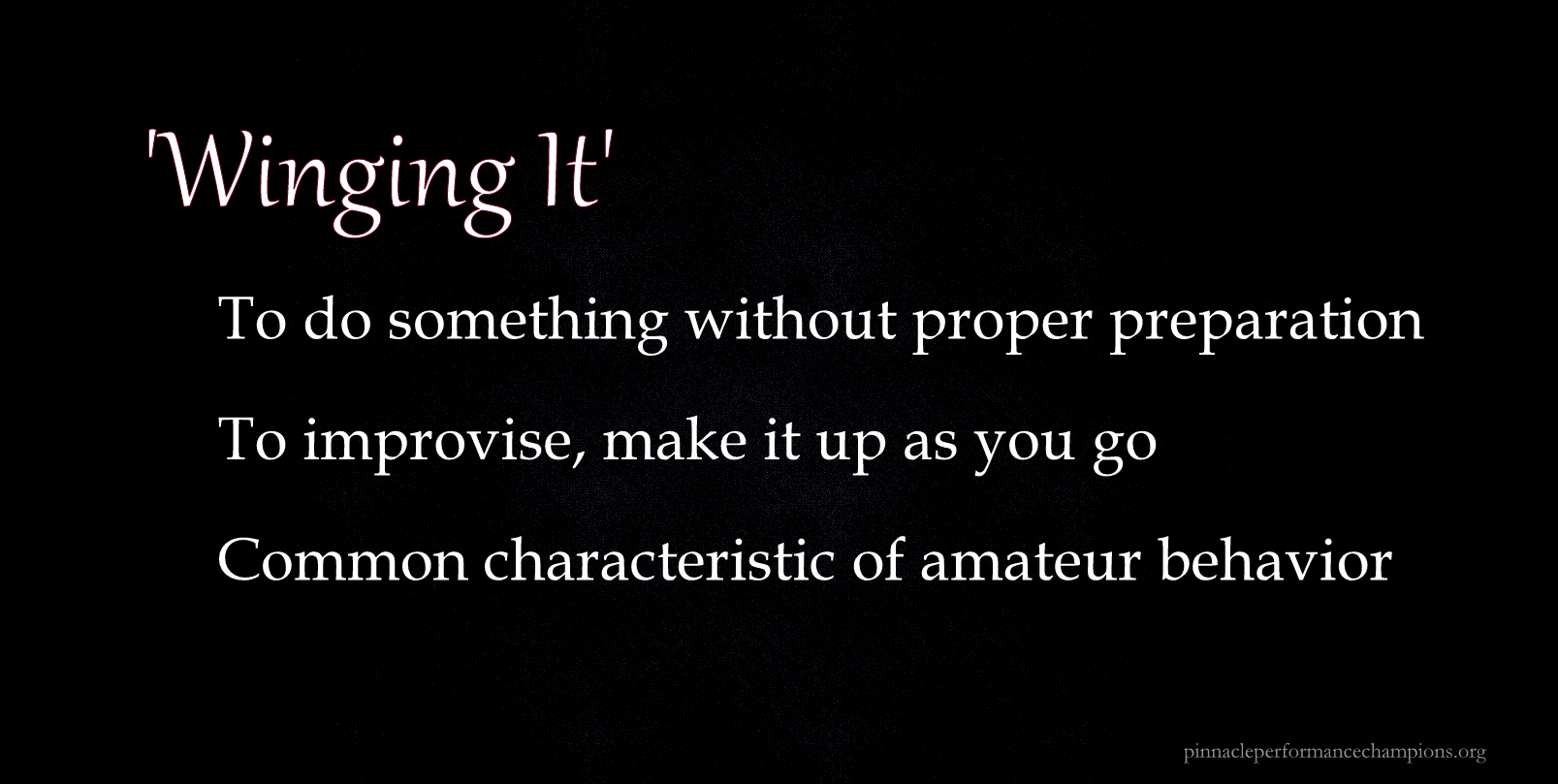
Evaluating all those tire and service sales calls, most for market-leading tire/auto service businesses, has enabled us to teach clients specifically what works best to create customer engagement and sales on the phone. It has also confirmed that, before training, the vast majority of salespeople are indeed ‘winging it’. They have no real process and simply let the caller guide the conversation, responding with facts and figures and hoping for the order.

If You’re Not In Control, You’re Out Of Control!

If You're Not In Control You're Out Of Control

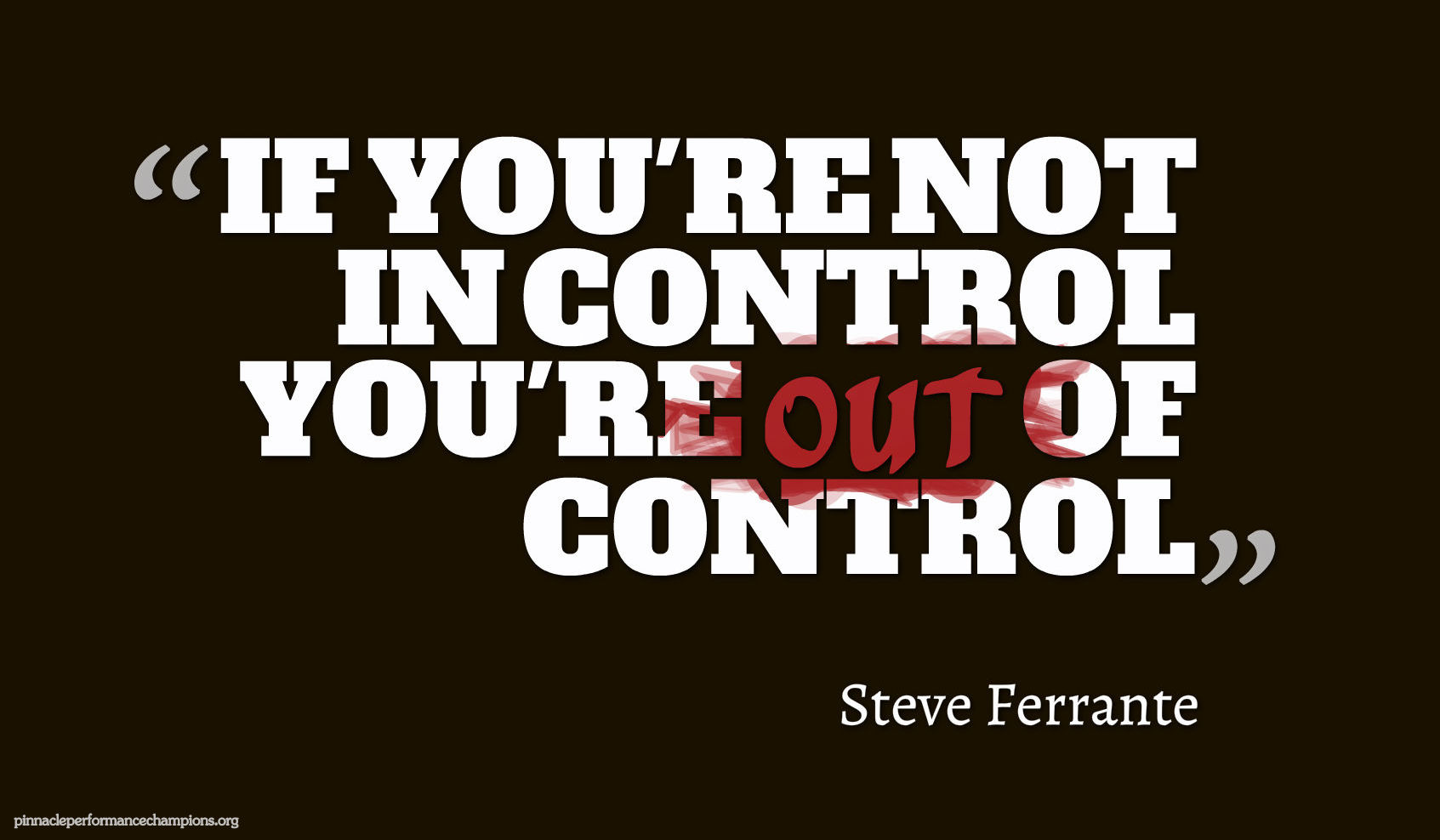
Salespeople that ‘wing it’ are not managing a call – the caller is – routinely breaking one of my top “Rules of Engagement”; If you’re not in control, you’re out of control!

Typically before training, as an example, a salesperson will respond to a phone tire inquiry with “what’s the size?” or “what’s the vehicle?” or both. This creates an indifferent first impression with the caller that often worsens when, not knowing what to say after those initial functional questions, the salesperson then asks “is there something particular you’re looking for?” or similar.

Imagine going to see your doctor for an ailment and he says, “do you have a particular medicine in mind?” Odds of that happening are about 0% yet odds are remarkably high that the equivalent of this is happening on your employee/customer calls right now. 

Without an effective sales process, sales reps default to mere order takers with recommendations based on size/inventory and most sales are made by being in the right place at the right time.

Professionals follow a sales process, amateurs ‘wing it’.

To improve customers’ buying experience and, ultimately, results for the business, all world-class companies train their employees a proven sales process.

To optimize performance on the phone, a clear sales methodology needs to be established and adhered to by your sales team. When we evaluate and literally score calls against our exclusive “Pinnacle Performance” sales process, each sales rep knows exactly how they performed on a given call and we can then pinpoint precisely what weak and/or missing areas of the process they need to improve upon moving forward.

Of course, mastering a sales process takes time and change, especially for those veterans that have been ‘winging it’ for years, is not easy. But, once institutionalized, the performance gains are well worth it.

If you are a tire business owner or manager, then you are leader of your team. It’s your job to make sure your team wins. Being properly prepared to most effectively manage every phone interaction and outperform the competition is a vital part of winning. ‘Winging it’ just won’t cut it.

Steve Ferrante is the Grand PooBah & Trainer of Champions of Sale Away LLC. As producer and host of Pinnacle Performance, “The Best Reviewed Sales/Customer Service Training Program in the Tire/Auto Service Industry”, Steve has received national acclaim for teaching independent tire and auto service businesses how to improve customer relations, produce greater sales results and build a ‘winning team’ corporate culture. Steve is also contributing “Selling Smart” editor for Tire Review Magazine

Pinnacle Performance Training Logo

To learn more about the program, visit Pinnacle Performance Training. Steve can be reached directly at 866-721-6086 ext. 701 or via email at steve@saleawayllc.com

Pinnacle Training 1 Page Overview

Is Good Enough Good Enough For You?

In one of the best-selling business books of all time,  Jim Collins’ “Good To Great“, a common trait of companies that made the leap from Good to Great is that they relentlessly pursued excellence, not settling for good – the status quo.  A key  to those “great” companies becoming that way was, in the words of Jim Collins,  they understood and operated by the principle that “Good is the Enemy of Great”. 

Here’s 1 minute of Jim Collins on the topic:

In Stephen R. Covey’s “The 8th Habit: From Effectiveness to Greatness“, the follow-up of one of the most successful self-help books of all-time, “The 7 Habits of Highly Effective People“, Covey wrote:

“Everyone chooses one of two roads in life – the old and the young, the rich and the poor, men and women alike. One is the broad, well-traveled road to mediocrity, the other the road to greatness and meaning. The range of possibilities that exists within each of these two destinations is as wide as the diversity of gifts and personalities in the human family. But the contrast between the two destinations is as the night is to the day.”

As 80% of businesses and their employees are not performing at the level of the top 20%, I see this “well-traveled road to mediocrity” often and the less traveled road to greatness is, in a nutshell, the purpose and path of my Pinnacle Performance Training.

Of course, there’s much more to achieving true greatness then merely wanting to be the best. It takes focus, discipline, determination to succeed, proper behaviors, consistent execution and, above all, PRIDE.

One thing is certain, if good enough is good enough for you then you’ll never achieve greatness!

If Good Enough Is Good Enough For You Then You'll Never Achieve Greatness TH1

Make a Great Day!

Steve 🙂

For more information on Steve and Pinnacle Performance Training visit > Sale Away LLC.

Tag Cloud