Steve Ferrante's High Performance Blog for Sales/Customer Service/Leadership Champs and Progressive Professionals!

Posts tagged ‘Steve Ferrante’

BELIEF: The Starting Line of Every Success Story

Every top performer – whether in business, sports, or life – has one thing in common: Belief.

Before you can do, you must believe you can. That’s not just motivational fluff; it’s a fundamental truth of human performance. People rarely outperform their own expectations. The ceiling isn’t their ability; it’s their belief in their ability.

At Pinnacle Performance Training, I’ve seen this play out countless times. Two people can receive the same training, the same tools, and the same opportunities – yet one soars while the other stalls. Often, the difference isn’t knowledge or talent. It’s belief.

The moment someone says, “I’m not sure I can,” they’ve already built a wall between themselves and success. 

Those walls are often made of fear; fear of failing, fear of judgment, fear of not being “enough.” But here’s the truth: success doesn’t belong to the fearless. It belongs to those who move through their fears with conviction.

Pinnacle Performers understand this. They understand that every result starts as a belief. They know that belief fuels action, and consistent action produces results. They don’t wait for confidence to magically appear… they create it through courage, focus, and discipline.

When you believe you’ll succeed, your mind focuses on solutions instead of obstacles. You take ownership instead of making excuses. You give your best effort instead of holding back.

That’s how Pinnacle Performers operate.

So today, ask yourself:
What walls are you ready to tear down?
What success can you start believing into reality?

Your next level is waiting on the other side of belief.

Steve

What’s Worth It in the End

That’s not just a quote, it’s the blueprint for achieving anything that matters.

Think about it. Every worthwhile achievement requires an upfront investment. Athletes commit to early mornings, tough workouts, and strict routines long before they ever step onto the podium. Musicians spend countless hours rehearsing before they ever perform on stage. Leaders build habits of consistency and accountability before they earn the trust and loyalty of their teams.

The common denominator? Dedication and discipline.

Dedication means showing up every day, not just when you feel like it. Discipline means sticking with the process, even when the results aren’t immediate. Together, they create momentum that carries you through the tough stretches and positions you for long-term success.

In business, the same formula applies.

  • Want a winning culture? Dedicate yourself to setting the standard and holding it high.
  • Want extraordinary customer experiences? Discipline your team to follow processes that ensure consistency.
  • Want sustained growth? Commit to doing the small things with excellence over and over again.

Here’s the truth: shortcuts might feel easier in the moment, but they rarely last. Dedication and discipline, on the other hand, compound over time. What feels like a sacrifice at the start becomes the very thing that separates you from competitors and puts you in a league of your own.

So, the next time you’re tempted to look for the quick win, remember this:

What is worth it in the end will always require dedication and discipline in the beginning.

The payoff is waiting. The question is, will you pay the price?

Steve

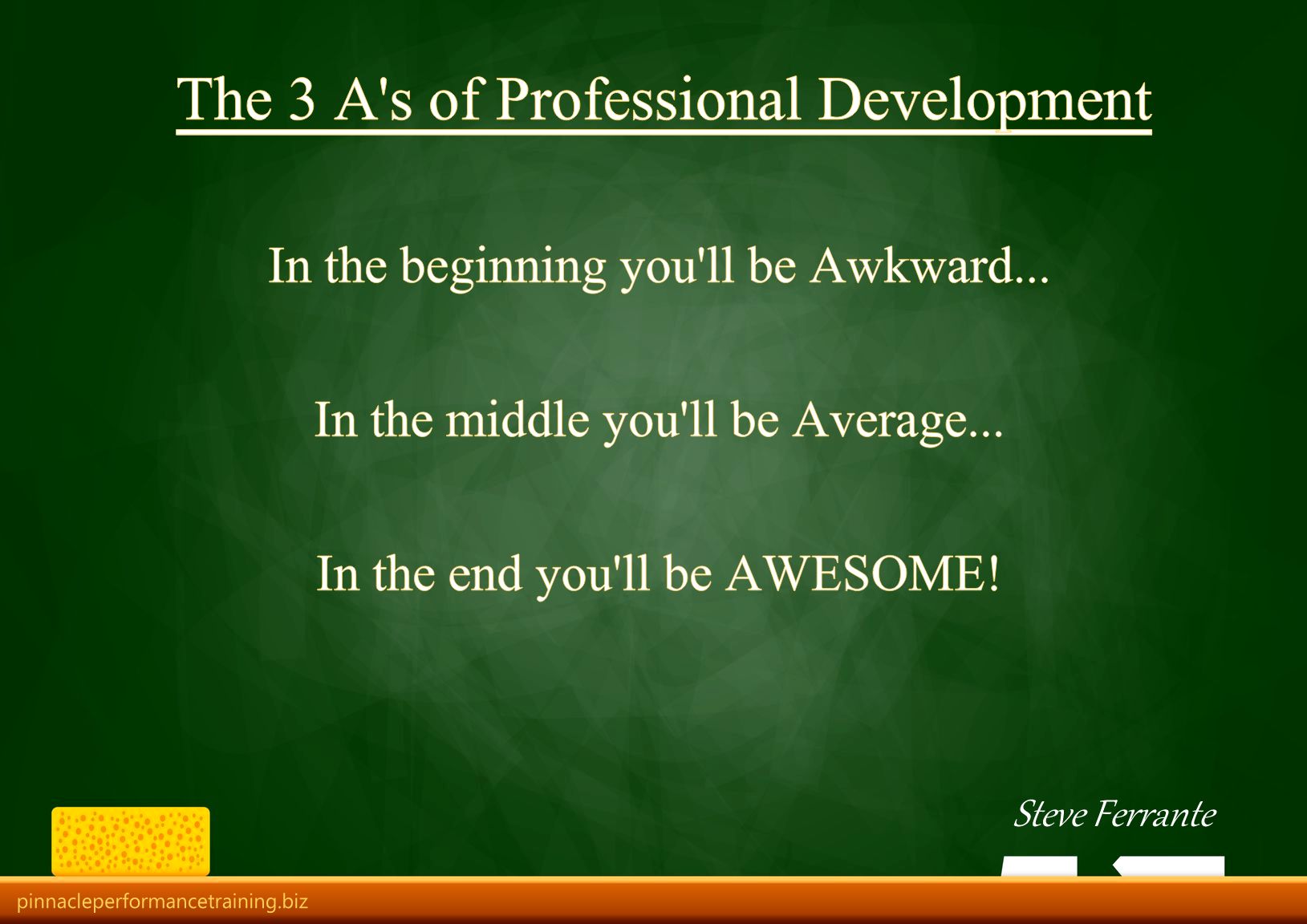
The 3 A’s of Professional Development

Every path to mastery follows the same stages of growth. In Pinnacle Performance Training, I refer to these as The 3 A’s of Professional Development:

Awkward

In the beginning, you’ll feel uncomfortable, clumsy, and unsure of yourself. That’s not a sign of failure; it’s the natural feeling of trying something new. Unfortunately, this is where low performers quit. They retreat to their comfort zone, convincing themselves “it doesn’t work” or “just not for them.” But comfort zones never produce champions.

Average

If you push through the awkwardness, you’ll reach a stage of basic competence. Here, you can get by, you’re no longer stumbling, but you’re also blending in. Many people stall here. They settle for being “good enough” and stop pushing. In a competitive environment, “average” isn’t a safe place, it’s the danger zone of mediocrity.

Awesome

For those who keep moving forward, practice turns into polish, and effort becomes excellence. They break through the awkward, rise above the average, and reach Awesome. This is where top performers live. This is where Pinnacle Performers separate themselves from the crowd.

Be Like Mike

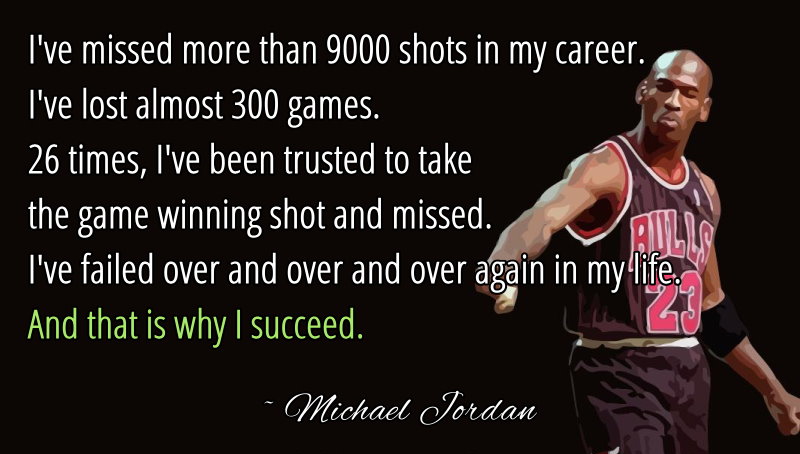
When Michael Jordan first tried out for his high school varsity basketball team, he didn’t make the cut. That was his Awkward stage. Most players would have quit, convinced they weren’t good enough.

But Jordan didn’t quit. He doubled down on practice, showing up in the gym before school, after practice, and late into the night. With time, he reached the Average stage; good enough to play, but still not the superstar we remember.

The difference is he kept going. He refused to settle for average. Through relentless work, an unstoppable mindset, and the drive to push beyond comfort, he broke through to Awesome. The world came to know him as the greatest basketball player of all time… not because he skipped the awkward or settled at average, but because he refused to quit until excellence became his standard.

The formula is simple, but the commitment is hard: stay the course when others quit.

Every professional development journey – whether in sales, leadership, or customer service – will test your patience and resilience. The key is to recognize where you are in the cycle, resist the temptation to retreat, and keep pressing forward until your best becomes your standard.

Remember: Awkward is just the first step toward Awesome. Stay committed. Stay consistent. Success has a formula, and this is part of it.

Steve

Welcome to September!

As summer winds down, September arrives with the perfect reminder that every season brings change. And as the quote goes, “Change is inevitable. Growth is optional.”

The transition from summer to fall is more than just cooler mornings and back-to-school routines… it’s an opportunity. Just like students sharpen pencils and crack open new notebooks, high-performing teams sharpen their skills and refocus their energy for the season ahead.

At Pinnacle Performance, we know that growth doesn’t happen by chance, it happens by choice. Every new month gives us a fresh opportunity to recommit to excellence, set higher standards, and raise the level of performance that defines who we are.

Think of September as the starting line for the final lap of the year. The decisions, discipline, and determination you bring now will set the pace for the wins that define the rest of 2025. Will you simply move through the motions, or will you choose growth and step into your next level of success?

This month, embrace change, commit to growth, and continue contributing to the Winning Team Culture that sets Pinnacle Performers, and their teams, apart.

Steve

Aim Higher: Why Safe Goals Keep You Stuck


All too often sales teams, leaders, and businesses set safe goals because they don’t want to risk falling short. But safe goals don’t spark growth. They don’t inspire greatness. They keep you where you are—comfortable, but not exceptional.

As Michelangelo warned:

“The greatest danger for most of us is not that our aim is too high and we miss it, but that it is too low and we reach it.”

If you want to separate yourself from the competition, don’t lower the bar—raise it. And then go after it with discipline, commitment, and passion.

Why Safe Goals Hold You Back

Safe goals feel good in the moment because they’re achievable. You get to check the box and sense you succeeded. The problem? Success with a low bar isn’t real growth, it’s maintenance.

Safe goals:

  • Encourage teams to stay in their comfort zone.
  • Keep businesses reactive instead of innovative.
  • Lead to complacency, which is where competitors catch up and pass you.

Nobody ever built a championship team, a thriving business, or a breakthrough innovation by aiming for “good enough.”

The Real Danger of Low Aims

Hitting an easy goal can be more damaging than missing a high one. Why? Because it convinces you that your current level is all you’re capable of.

When you miss a high target, you still stretch yourself. You learn new skills, strengthen discipline, and often discover that you can get closer than you thought. That’s growth.

But hitting a low aim keeps you stagnant. It breeds complacency. And complacency is the silent killer of potential.

What Raising the Bar Looks Like

Raising your aim doesn’t mean chasing unrealistic dreams. It means intentionally setting goals that stretch your team beyond “comfortable.”

It looks like:

  • Stretching beyond comfort: Creating goals that require new strategies, better habits, and sharper skills.
  • Focusing on behaviors, not just outcomes: Sales numbers matter, but the conversations, service, and discipline behind them matter more.
  • Celebrating progress, not perfection: Aiming high guarantees challenges. Success is found in the adjustments, the persistence, and the lessons along the way.

How a Pinnacle Performance Purpose Helps

At Pinnacle Performance Training, we train teams to:

✅ Replace “safe” with “stretch” goals.
✅ Strengthen accountability to follow through.
✅ Turn challenges into opportunities for growth.
✅ Build the confidence to aim high, and the skills to achieve more.

Because when your team raises the bar, they don’t just hit bigger goals. They redefine what’s possible.

Final Thought

The competition isn’t waiting. Comfort zones don’t create champions. If you want your business to stand out, stop aiming low.

Aim higher. Push harder. And watch your team discover just how much more they’re capable of achieving.

Steve

Ready to Raise the Bar? Contact me directly via steve@pinnacleperformancetraining.biz and let’s talk about how we can help your team aim higher, perform better, and win more.

A Touch of Hospitality: Going the Extra Mile for Breakfast

I wanted to take a moment to share a small experience that left a big impression during our vacation at Sandals Grande St. Lucian last week.

As we did each morning, my wife and I made our way down to the main dining room for breakfast. Everything in the big buffet looked delicious, and the staff—as usual—were welcoming and cheerful. But when I lifted the lid on the scrambled egg tray, it was empty. Not a big deal—it was the typical busy morning, and the food turnover was understandably quick.

As I was walking out, I casually remarked to one of the team members that the scrambled egg tray was empty—not complaining, just making a passing comment so they were aware.

I planned to return in a few minutes to check if the tray was replenished but, before I could, that same team member appeared with a fresh plate of scrambled eggs, under a silver cover no less, delivered right to our table with a warm smile.

Exhibit A.

I was honestly taken aback—in the best way. I hadn’t made a request or expected anything. But the team member listened, took the initiative, and made the effort to make sure I didn’t miss what I was looking forward to.

It may seem like a small thing, but that one gesture spoke volumes about the level of care and attention the Sandals team puts into guest’s experience. The team member turned a turned a moment of inconvenience into a memorable moment of hospitality—and a reminder that excellence in customer service lies in the details.

Steve

Proving Them Wrong: The Dr. Joyce Story

In the 1950s, game shows weren’t just entertainment, they were cultural phenomena. And The $64,000 Question was the ultimate stage. Contestants were expected to be sharp, composed, and above all, brilliant under pressure. But for 28-year-old psychologist, Dr. Joyce Diane Brothers, the challenge was even steeper.

She wasn’t just stepping into the spotlight as a contestant. She was stepping into a world that didn’t expect her to win.

As a woman in a male-dominated arena, she faced skepticism from the start. Whispers of doubt followed her every round. Could she handle the pressure? Did she really know her stuff? The odds were stacked. But Dr. Joyce didn’t flinch.

She studied. She prepared. And when the questions came—one after another—she answered with clarity, grace, and unwavering confidence.

And then she won.

Dr. Joyce Diane Brothers became a household name not just because she conquered a game show, but because she shattered a narrative. She didn’t just take home $64,000—she took down the barrier that said “you can’t” and replaced it with “watch me.”

Pinnacle Perspective

Dr. Joyce’s story is more than history, it’s fuel.

Her victory reminds us what Pinnacle Performance looks like—it’s not just about knowledge or talent. It’s about resilience. Preparation. Belief. It’s about showing up when no one expects you to win and turning doubt into proof.

High-achievers carry that mindset into everything they do. Whether it’s breaking personal records, pushing beyond mental limits, or rewriting what’s possible in your career or craft—Pinnacle is where potential meets power.

Dr. Joyce proved them wrong not by being louder, but by being better. Stronger. Smarter.

This Is Your Moment

Maybe they’ve counted you out. Maybe you’ve been told you’re not ready, not capable, not enough.

Good.

Let that be the spark. Because like Dr. Joyce, you don’t need anyone’s permission to succeed. You just need confidence in your capability, courage to show up, and the determination to follow through. So…

Believe you can. Rewrite the story. Win.

Steve

Gratitude is the Best Attitude!

The occasion of Thanksgiving gives us the opportunity to be thankful for what we have but being grateful should not be limited to the fourth Thursday in November.

From a business perspective, practicing an attitude of gratitude means letting customers know how much you value and appreciate their business.

Since starting Sale Away 19 years ago this month, I have asked thousands of sales and customer service associates in many dozens of businesses all over North America if they appreciate their customers and, predictably, I always receive the same response; “Of course we do!” Then I ask them the real question… How do your customers know?

The sad reality is quite often customers really don’t know or, more importantly, feel appreciated. Often, employees assume customers know they’re appreciated because they regularly thank them at the end of a given interaction. That’s great but true displays of customer appreciation are about much more than a token of “Thanks” at the end of interactions, they are heartfelt and consistent throughout the relationship.

Your customers (and potential customers) should always feel that you genuinely care for their personal well-being. This begins with treating them like human-beings and being grateful, not just because they’re interested in your products or services, but rather for the relationship and opportunity to help them.

Cultivate the habit of being grateful for every good thing that comes to you, and to give thanks continuously. And because all things have contributed to your advancement, you should include all things in your gratitude. ― Ralph Waldo Emerson

Although Thanksgiving is the time of year this sentiment is most talked about and expressed in others, sincere gratitude is not a seasonal affair. Your attitude of gratitude should be practiced year-round for there is much to be thankful for.

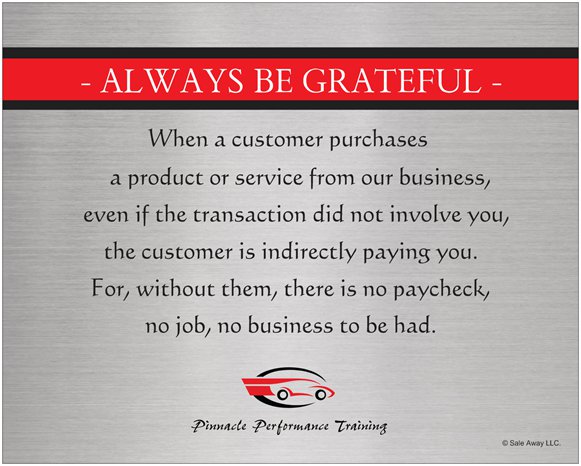
Always keep in mind (and heart) that when a customer purchases a product or service from your business, even if the transaction did not involve you, the customer is indirectly paying you. For, without them, there is no paycheck – no job – no business to be had.

As the title of my Pinnacle Performance Training poster below reads… Always Be Grateful.

Maintain and Attitude of Gratitude

It is human nature that as we settle in over time, we “get used to” everything. When the company, your fellow team members, and customers become part of your daily routine it’s easy to lose the appreciation we had when these ‘good things’ were new to us. 

Of course, we don’t want to lose these things (our job, customers, etc.) to come to our senses and appreciate just how important they are! 

In order to not lose our sense of appreciation as new things become familiar to us, we must live in the moment and maintain an attitude of gratitude. This is easier said (or written about) than done. It takes a conscious effort where we mentally count our blessings and don’t allow ourselves to take the most important ‘good things’ for granted.

On the job, this takes true customer-focus.  You must not become complacent and go through the motions but rather execute with purpose and sincerity.

Of course, it’s not only what you say but what you do that makes the difference. Spontaneous “Thank You for Your Business” cards, follow-up calls to thank customers for their business and ensure they’re happy after the sale, random acts of kindness and consistent acts of exceptional service go a long way towards demonstrating genuine appreciation and gratitude.

Speaking of gratitude, I would be remiss if I didn’t Thank You for making it all the way to the end of this article. I appreciate your time and wish you all the best for success!

Steve

High-Achievers and Olympic Athletes: A Shared Path to Excellence

High-achievers in business and Olympic athletes share remarkable commonalities that drive their success. Despite their different arenas, both groups exhibit traits and behaviors that pave the way for extraordinary accomplishments.

Detailed below are my top three similarities between high-achievers and Olympic athletes. These fundamental traits drive extraordinary accomplishments and, by embracing these principles, individuals in any field can aspire to achieve greatness!

  1. Unyielding Discipline

Discipline is the backbone of success for both high-achievers and Olympic athletes. In the corporate world, high-achievers typically maintain a strict schedule, balancing meetings, strategy sessions, and continuous learning. They understand that consistency in their daily routines is crucial for long-term success.

Similarly, Olympic athletes follow rigorous training regimens, often starting their days before dawn to perfect their skills and build endurance. Whether it’s a sales executive preparing for a major presentation or an athlete training for a competition, the discipline they demonstrate is the foundation for their achievements.

  1. Resilience and Adaptability

Resilience is a defining trait that both high-achievers and Olympic athletes possess in abundance. The path to success is rarely linear, and setbacks are inevitable. High-achievers face challenges such as failed projects, market downturns, and strategic missteps. Instead of being deterred, they adapt, learn from their experiences, and pivot towards new opportunities.

Olympic athletes, too, encounter injuries, losses, and intense competition. Their ability to recover, adjust their training, and maintain focus on their goals exemplifies resilience. Both groups demonstrate that the ability to bounce back from adversity is crucial for reaching the pinnacle of their fields.

  1. Clear Goal Setting and Vision

Both high-achievers and Olympic athletes excel in setting and pursuing clear, ambitious goals. High-achievers define their career objectives with precision, creating actionable plans to achieve them. They visualize their success, breaking down long-term goals into manageable steps. This strategic approach enables them to stay focused and motivated.

Similarly, Olympic athletes set their sights on medals and records, developing detailed training plans to reach these milestones. Their vision of success drives their daily efforts, ensuring that every action aligns with their ultimate objectives. This clarity of purpose is a key factor in their sustained excellence.

Steve

Unlocking Greatness: The Power of a Champion Mindset for Unstoppable Success

In the pursuit of excellence, the mindset we cultivate can be the defining factor that propels us toward our goals or leaves us short of achieving them.

A champion mindset, characterized by resilience, unwavering determination, and a relentless pursuit of growth, is essential for success in any field. This mentality goes beyond natural talent or luck; it embodies a proactive approach to challenges, a commitment to continuous improvement, and the ability to maintain focus and motivation in the face of adversity.

By adopting a champion mindset, individuals not only enhance their chances of achieving their personal and professional aspirations but also inspire those around them to strive for greatness.

The Enemy Within

The most formidable adversary to accomplishment often lies within our own minds. A loser mentality, characterized by self-doubt, fear of failure, and a fixed mindset, stands as the antithesis to the champion mindset. This detrimental mindset not only undermines potential but also breeds complacency and resignation in the face of challenges.

By recognizing and combating the toxic traits of a loser mentality, individuals can pave the way for growth and success.

Notice The Difference

The difference between a champion and loser mentality is often characterized by attitudes, behaviors, and approaches to challenges and opportunities. Here are some key distinctions:

Champion Mentality:

  1. Growth Mindset: Believes abilities and intelligence can be developed through dedication and hard work.
  2. Resilience: Bounces back from setbacks, viewing failures as learning opportunities.
  3. Positive Attitude: Maintains an optimistic outlook, even in difficult situations.
  4. Goal-Oriented: Sets clear, achievable goals and works diligently towards them.
  5. Self-Discipline: Stays focused and committed to their tasks and objectives.
  6. Proactive: Takes initiative and responsibility for their actions and decisions.
  7. Adaptability: Welcomes change and is willing to adjust strategies as needed.
  8. Embraces Challenges: Sees challenges as opportunities to improve and develop new skills. Will seek out resources and support to succeed.

Loser Mentality:

  1. Fixed Mindset: Believes abilities and intelligence are static and cannot be changed.
  2. Easily Discouraged: Gives up easily when faced with obstacles or failures.
  3. Negative Attitude: Tends to focus on problems and what can go wrong.
  4. Lack of Goals: May lack clear goals or have vague, unrealistic ones.
  5. Lack of Self-Discipline: Struggles with focus and commitment, easily distracted.
  6. Reactive: Waits for things to happen rather than making things happen.
  7. Resistance to Change: Prefers to stay within comfort zones and avoids change.
  8. Avoids Challenges: Shys away from difficult tasks and avoids taking risks, leading them to procrastinate or abandon due to fear of failure.

Impact:

  • Career: A champion mentality can lead to career advancement, recognition, and personal growth, while a loser mentality can result in stagnation and missed opportunities.
  • Personal Life: In personal relationships and self-improvement efforts, a champion mentality fosters growth and resilience, whereas a loser mentality can lead to dissatisfaction and a lack of progress.

Overall, a champion mentality is a key driver of personal growth, making it an invaluable asset in your quest for success!

Steve

Tag Cloud