Steve Ferrante's High Performance Blog for Sales/Customer Service/Leadership Champs and Progressive Professionals!

Archive for the ‘Steve’s Articles’ Category

The Science of Pinnacle Performance

Peak performance has always fascinated us. From world-class athletes and virtuoso musicians to elite surgeons, pilots, and innovators, we marvel at people who consistently operate at the very top of their game. For years, we explained their success with words like talent, genius, or gift. Recent science tells a more interesting story.

Pinnacle performance is not magic. It is measurable, repeatable, and trainable.

Performance Is a State, Not a Trait

One of the most important shifts in modern performance science is the understanding that elite performance is a state people enter, not a permanent trait they possess. High performers do not live at their peak every second of the day. They move in and out of optimal states based on focus, energy, emotional regulation, and environment.

The research highlighted in Science points to performance as a dynamic interaction between the brain, the body, and the task at hand. When these elements align, performance rises sharply. When they drift out of sync, even highly skilled individuals underperform.

This explains a familiar paradox. Two people with similar ability can produce wildly different results on different days. The difference is not capability; it is state control.

The Brain at Peak Performance

Elite performers show distinct patterns of brain activity when operating at their best. Rather than “trying harder,” their brains become more efficient. External noise decreases, attention narrows. Unnecessary self-talk quiets down.

This is described as transient hypofrontality, where parts of the brain associated with self-doubt temporarily dial back. In plain English, the performer gets out of their own way.

The result is faster reaction time, smoother execution, and better decision-making under pressure. Peak performance feels effortless not because it is easy, but because the brain is no longer fighting itself.

Stress Is Not the Enemy. Mismanaged Stress Is.

Another key insight from performance research is that stress itself is not inherently harmful to performance. In fact, elite performers often thrive at higher levels of stress than average performers.

The difference lies in interpretation and regulation.

Top performers experience elevated heart rate, adrenaline, and intensity just like everyone else. What separates them is how they frame it. Instead of reading stress as danger, they read it as readiness. Their nervous system becomes an ally rather than an obstacle.

Training, experience, and mental rehearsal all help recalibrate this response. Over time, the body learns that pressure is a signal to engage, not retreat.

Focus Beats Force

One of the most counterintuitive findings in performance science is that effort alone does not produce elite results. In many cases, excessive effort actually degrades performance.

Elite performers rely on precise focus rather than brute force. They direct attention to a small number of controllable cues and ignore everything else. This selective attention reduces cognitive load and frees up mental resources for execution.

In peak states, performers are not thinking about outcomes, judgments, or consequences. They are fully absorbed in the process. This deep task immersion is one of the most consistent predictors of top-tier performance across disciplines.

Recovery Is Part of Performance

Another myth that science has dismantled is the idea that elite performers simply work harder all the time. In reality, they recover better.

The nervous system cannot sustain peak output indefinitely. High performers alternate periods of intense focus with deliberate recovery. Sleep, mental disengagement, physical restoration, and emotional reset are not merely luxuries. They are peak performance requirements.

Without recovery, the brain’s efficiency declines, decision-making suffers, and emotional regulation weakens. The ceiling on performance drops no matter how motivated the individual may be.

Training the Conditions, Not Just the Skill

Traditional training often focuses almost exclusively on skill acquisition. Performance science suggests that elite results come from training the conditions under which skills are expressed.

This includes:

• Attention control under pressure

• Emotional regulation during uncertainty

• Consistent pre-performance routines

• Environmental design that supports focus

• Feedback systems that reinforce learning rather than fear

When these elements are trained alongside technical skill, performance becomes more reliable, not just occasionally brilliant.

The Pinnacle Performance Mindset

At its core, pinnacle performance is about alignment. When mindset, physiology, and environment are working together, performance accelerates. When they are misaligned, even exceptional ability struggles to surface.

The science makes one thing clear. Elite performance is not reserved for a lucky few. It is the result of understanding how humans perform at their best and intentionally building the conditions that allow that best to show up more often.

The real breakthrough is not learning how to push harder. It is learning how to perform smarter.

That is the science of pinnacle performance.

Interested in bringing Pinnacle Performance to your organization? I can help. Contact me at steve@pinnacleperformancetraining.biz

Every Move Matters

Success isn’t built on big moments alone. It’s shaped by the steady stream of decisions we make each day. Like a game of chess, your path to the Pinnacle is influenced by strategy, awareness, and the discipline to think before you move.

Here’s the reality Pinnacle Performers understand:
One wrong move can hinder your progress. One right move can advance you farther than you imagined.

A careless choice can slow momentum, strain relationships, or create obstacles you’ll need to climb back over. A smart, intentional choice can open opportunity, strengthen trust, elevate performance, and move you closer to the summit.

Every call you make.
Every customer interaction.
Every leadership moment.
Every habit you reinforce.

It all stacks up.
It all counts.

Pinnacle Performers don’t drift through the day. They study the board. They anticipate outcomes. They stay aware of how each decision influences the next. And when conditions get cloudy or pressure rises, they don’t panic. They choose wisely. They act with purpose.

That’s the difference between staying stuck on the same square and stepping into a higher level of performance.

Take a moment today to look at your board. Where is the wrong move that would hold you back? Where is the right move to push you forward?

Make the move that advances you.

Steve

Those Who Keep Learning, Keep Rising

There’s a reason the best performers in any profession, from athletes to business leaders, never stop training. They know growth is not a one-time event; it’s a lifelong pursuit.

Far too often, professionals reach a certain level of success and think they’ve “arrived.” They get complacent, stop seeking new information, and stop challenging themselves. That’s when growth stalls, and competitors start passing them by.

At Pinnacle Performance Training, we define a Pinnacle Performer as someone who refuses to coast. They understand that improvement isn’t optional, it’s essential. They approach every day like a student of their profession, eager to learn something new that makes them, their team, or their business better.

Learning doesn’t just happen in classrooms or training sessions. It happens in the conversations you have with customers, the feedback you receive from peers, and the reflections you make after both wins and mistakes. Every experience is a lesson if you’re open to it.

Excellence has no finish line. There’s always another level; another skill to develop, another strength to refine, another opportunity to rise higher.

So, keep learning.
Keep growing.
Keep rising.

Because in the end, success doesn’t belong to those who know it all… it belongs to those who never stop trying to know more.

Steve

BELIEF: The Starting Line of Every Success Story

Every top performer – whether in business, sports, or life – has one thing in common: Belief.

Before you can do, you must believe you can. That’s not just motivational fluff; it’s a fundamental truth of human performance. People rarely outperform their own expectations. The ceiling isn’t their ability; it’s their belief in their ability.

At Pinnacle Performance Training, I’ve seen this play out countless times. Two people can receive the same training, the same tools, and the same opportunities – yet one soars while the other stalls. Often, the difference isn’t knowledge or talent. It’s belief.

The moment someone says, “I’m not sure I can,” they’ve already built a wall between themselves and success. 

Those walls are often made of fear; fear of failing, fear of judgment, fear of not being “enough.” But here’s the truth: success doesn’t belong to the fearless. It belongs to those who move through their fears with conviction.

Pinnacle Performers understand this. They understand that every result starts as a belief. They know that belief fuels action, and consistent action produces results. They don’t wait for confidence to magically appear… they create it through courage, focus, and discipline.

When you believe you’ll succeed, your mind focuses on solutions instead of obstacles. You take ownership instead of making excuses. You give your best effort instead of holding back.

That’s how Pinnacle Performers operate.

So today, ask yourself:
What walls are you ready to tear down?
What success can you start believing into reality?

Your next level is waiting on the other side of belief.

Steve

What’s Worth It in the End

That’s not just a quote, it’s the blueprint for achieving anything that matters.

Think about it. Every worthwhile achievement requires an upfront investment. Athletes commit to early mornings, tough workouts, and strict routines long before they ever step onto the podium. Musicians spend countless hours rehearsing before they ever perform on stage. Leaders build habits of consistency and accountability before they earn the trust and loyalty of their teams.

The common denominator? Dedication and discipline.

Dedication means showing up every day, not just when you feel like it. Discipline means sticking with the process, even when the results aren’t immediate. Together, they create momentum that carries you through the tough stretches and positions you for long-term success.

In business, the same formula applies.

  • Want a winning culture? Dedicate yourself to setting the standard and holding it high.
  • Want extraordinary customer experiences? Discipline your team to follow processes that ensure consistency.
  • Want sustained growth? Commit to doing the small things with excellence over and over again.

Here’s the truth: shortcuts might feel easier in the moment, but they rarely last. Dedication and discipline, on the other hand, compound over time. What feels like a sacrifice at the start becomes the very thing that separates you from competitors and puts you in a league of your own.

So, the next time you’re tempted to look for the quick win, remember this:

What is worth it in the end will always require dedication and discipline in the beginning.

The payoff is waiting. The question is, will you pay the price?

Steve

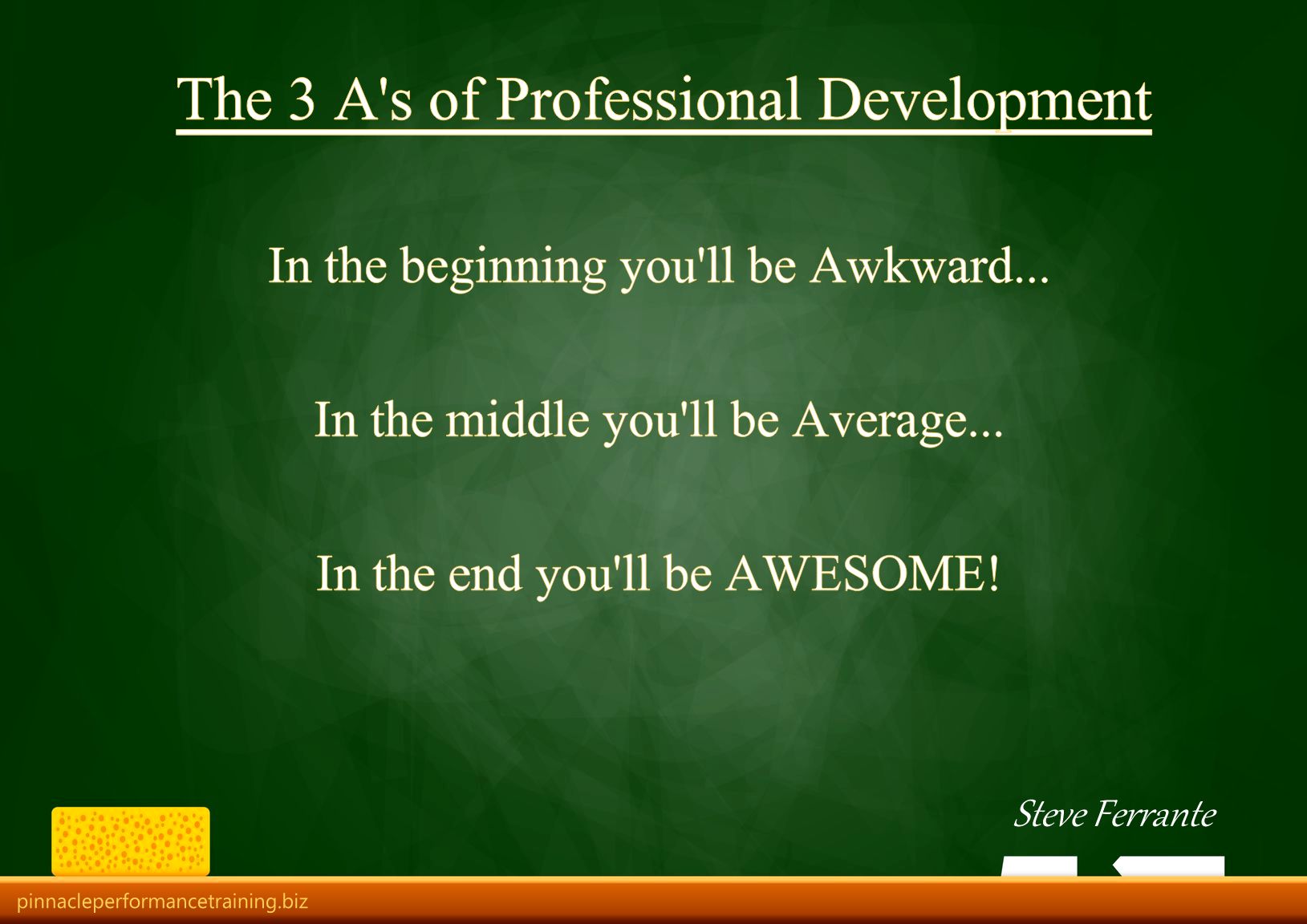
The 3 A’s of Professional Development

Every path to mastery follows the same stages of growth. In Pinnacle Performance Training, I refer to these as The 3 A’s of Professional Development:

Awkward

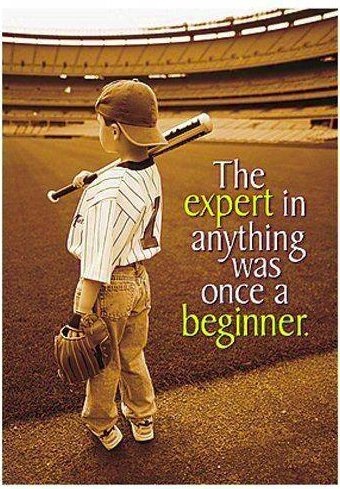
In the beginning, you’ll feel uncomfortable, clumsy, and unsure of yourself. That’s not a sign of failure; it’s the natural feeling of trying something new. Unfortunately, this is where low performers quit. They retreat to their comfort zone, convincing themselves “it doesn’t work” or “just not for them.” But comfort zones never produce champions.

Average

If you push through the awkwardness, you’ll reach a stage of basic competence. Here, you can get by, you’re no longer stumbling, but you’re also blending in. Many people stall here. They settle for being “good enough” and stop pushing. In a competitive environment, “average” isn’t a safe place, it’s the danger zone of mediocrity.

Awesome

For those who keep moving forward, practice turns into polish, and effort becomes excellence. They break through the awkward, rise above the average, and reach Awesome. This is where top performers live. This is where Pinnacle Performers separate themselves from the crowd.

Be Like Mike

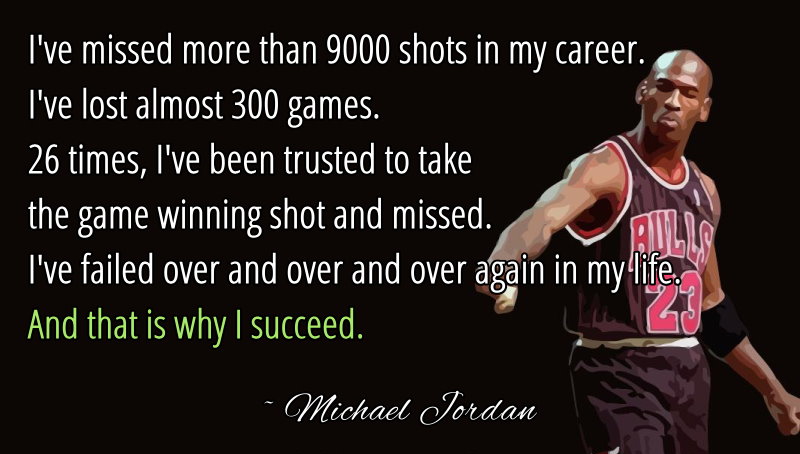
When Michael Jordan first tried out for his high school varsity basketball team, he didn’t make the cut. That was his Awkward stage. Most players would have quit, convinced they weren’t good enough.

But Jordan didn’t quit. He doubled down on practice, showing up in the gym before school, after practice, and late into the night. With time, he reached the Average stage; good enough to play, but still not the superstar we remember.

The difference is he kept going. He refused to settle for average. Through relentless work, an unstoppable mindset, and the drive to push beyond comfort, he broke through to Awesome. The world came to know him as the greatest basketball player of all time… not because he skipped the awkward or settled at average, but because he refused to quit until excellence became his standard.

The formula is simple, but the commitment is hard: stay the course when others quit.

Every professional development journey – whether in sales, leadership, or customer service – will test your patience and resilience. The key is to recognize where you are in the cycle, resist the temptation to retreat, and keep pressing forward until your best becomes your standard.

Remember: Awkward is just the first step toward Awesome. Stay committed. Stay consistent. Success has a formula, and this is part of it.

Steve

Aim Higher: Why Safe Goals Keep You Stuck


All too often sales teams, leaders, and businesses set safe goals because they don’t want to risk falling short. But safe goals don’t spark growth. They don’t inspire greatness. They keep you where you are—comfortable, but not exceptional.

As Michelangelo warned:

“The greatest danger for most of us is not that our aim is too high and we miss it, but that it is too low and we reach it.”

If you want to separate yourself from the competition, don’t lower the bar—raise it. And then go after it with discipline, commitment, and passion.

Why Safe Goals Hold You Back

Safe goals feel good in the moment because they’re achievable. You get to check the box and sense you succeeded. The problem? Success with a low bar isn’t real growth, it’s maintenance.

Safe goals:

  • Encourage teams to stay in their comfort zone.
  • Keep businesses reactive instead of innovative.
  • Lead to complacency, which is where competitors catch up and pass you.

Nobody ever built a championship team, a thriving business, or a breakthrough innovation by aiming for “good enough.”

The Real Danger of Low Aims

Hitting an easy goal can be more damaging than missing a high one. Why? Because it convinces you that your current level is all you’re capable of.

When you miss a high target, you still stretch yourself. You learn new skills, strengthen discipline, and often discover that you can get closer than you thought. That’s growth.

But hitting a low aim keeps you stagnant. It breeds complacency. And complacency is the silent killer of potential.

What Raising the Bar Looks Like

Raising your aim doesn’t mean chasing unrealistic dreams. It means intentionally setting goals that stretch your team beyond “comfortable.”

It looks like:

  • Stretching beyond comfort: Creating goals that require new strategies, better habits, and sharper skills.
  • Focusing on behaviors, not just outcomes: Sales numbers matter, but the conversations, service, and discipline behind them matter more.
  • Celebrating progress, not perfection: Aiming high guarantees challenges. Success is found in the adjustments, the persistence, and the lessons along the way.

How a Pinnacle Performance Purpose Helps

At Pinnacle Performance Training, we train teams to:

✅ Replace “safe” with “stretch” goals.
✅ Strengthen accountability to follow through.
✅ Turn challenges into opportunities for growth.
✅ Build the confidence to aim high, and the skills to achieve more.

Because when your team raises the bar, they don’t just hit bigger goals. They redefine what’s possible.

Final Thought

The competition isn’t waiting. Comfort zones don’t create champions. If you want your business to stand out, stop aiming low.

Aim higher. Push harder. And watch your team discover just how much more they’re capable of achieving.

Steve

Ready to Raise the Bar? Contact me directly via steve@pinnacleperformancetraining.biz and let’s talk about how we can help your team aim higher, perform better, and win more.

Chasing Your Red Baron

“Curse you, Red Baron!” Snoopy shouts (in thought balloons) from the top of his doghouse, scarf blowing in the wind, goggles locked in.

Day after day, mission after mission, Snoopy launches into the skies. And day after day, he gets shot down. Again. And again. And again.

But here’s the thing…

He never stops climbing back onto that doghouse.

Because for Snoopy, it’s not just about winning the battle.
It’s about showing up. It’s about chasing the impossible.
It’s about believing that this time, the outcome might be different… because he’s different.

More prepared. More focused. More determined.

That’s perseverance.
Not the absence of setbacks, but the refusal to be defined by them.

So, whether you’re chasing down your own Red Baron, or just trying to get through a tough week, be like Snoopy:

Strap in. Take flight. Try again.

One day, you’ll win the battle you’ve been fighting for so long.

Steve

A Touch of Hospitality: Going the Extra Mile for Breakfast

I wanted to take a moment to share a small experience that left a big impression during our vacation at Sandals Grande St. Lucian last week.

As we did each morning, my wife and I made our way down to the main dining room for breakfast. Everything in the big buffet looked delicious, and the staff—as usual—were welcoming and cheerful. But when I lifted the lid on the scrambled egg tray, it was empty. Not a big deal—it was the typical busy morning, and the food turnover was understandably quick.

As I was walking out, I casually remarked to one of the team members that the scrambled egg tray was empty—not complaining, just making a passing comment so they were aware.

I planned to return in a few minutes to check if the tray was replenished but, before I could, that same team member appeared with a fresh plate of scrambled eggs, under a silver cover no less, delivered right to our table with a warm smile.

Exhibit A.

I was honestly taken aback—in the best way. I hadn’t made a request or expected anything. But the team member listened, took the initiative, and made the effort to make sure I didn’t miss what I was looking forward to.

It may seem like a small thing, but that one gesture spoke volumes about the level of care and attention the Sandals team puts into guest’s experience. The team member turned a turned a moment of inconvenience into a memorable moment of hospitality—and a reminder that excellence in customer service lies in the details.

Steve

Proving Them Wrong: The Dr. Joyce Story

In the 1950s, game shows weren’t just entertainment, they were cultural phenomena. And The $64,000 Question was the ultimate stage. Contestants were expected to be sharp, composed, and above all, brilliant under pressure. But for 28-year-old psychologist, Dr. Joyce Diane Brothers, the challenge was even steeper.

She wasn’t just stepping into the spotlight as a contestant. She was stepping into a world that didn’t expect her to win.

As a woman in a male-dominated arena, she faced skepticism from the start. Whispers of doubt followed her every round. Could she handle the pressure? Did she really know her stuff? The odds were stacked. But Dr. Joyce didn’t flinch.

She studied. She prepared. And when the questions came—one after another—she answered with clarity, grace, and unwavering confidence.

And then she won.

Dr. Joyce Diane Brothers became a household name not just because she conquered a game show, but because she shattered a narrative. She didn’t just take home $64,000—she took down the barrier that said “you can’t” and replaced it with “watch me.”

Pinnacle Perspective

Dr. Joyce’s story is more than history, it’s fuel.

Her victory reminds us what Pinnacle Performance looks like—it’s not just about knowledge or talent. It’s about resilience. Preparation. Belief. It’s about showing up when no one expects you to win and turning doubt into proof.

High-achievers carry that mindset into everything they do. Whether it’s breaking personal records, pushing beyond mental limits, or rewriting what’s possible in your career or craft—Pinnacle is where potential meets power.

Dr. Joyce proved them wrong not by being louder, but by being better. Stronger. Smarter.

This Is Your Moment

Maybe they’ve counted you out. Maybe you’ve been told you’re not ready, not capable, not enough.

Good.

Let that be the spark. Because like Dr. Joyce, you don’t need anyone’s permission to succeed. You just need confidence in your capability, courage to show up, and the determination to follow through. So…

Believe you can. Rewrite the story. Win.

Steve

Tag Cloud