Steve Ferrante's High Performance Blog for Sales/Customer Service/Leadership Champs and Progressive Professionals!

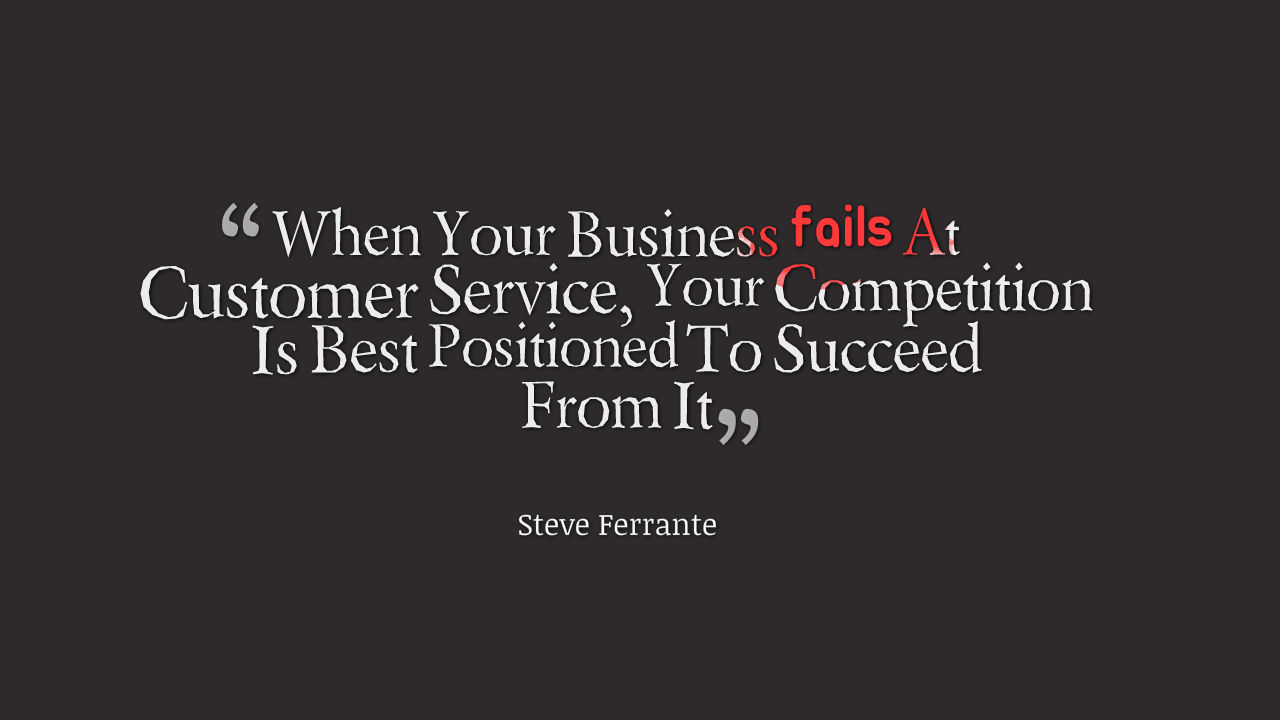
When Your Business Fails At Customer Service

I’m typing this latest case of customer disservice from seat 36F on American Airlines flight 226 from Boston’s Logan Airport to Dallas en route to Tulsa.

For those of you not familiar with this seat on AA 757 I can tell you first hand that this is the proverbial “back of the bus”, the very last seat in the very last row.

AA Back Row

Of course, on a full flight (like this one) someone needs to sit way back here in the corner but, given my situation, should that someone be me? You decide…

Let me start by saying I try and avoid American Airlines and usually fly one of my recommended “customer service champs” like Jet Blue, Southwest or Virgin Atlantic but, on this trip, none of those options were available.

Besides it’s been awhile since I’ve flown with American… maybe they’ve improved since the last time when my flight was delayed an hour and 45 minutes and no one seemed to care or even acknowledge that I then missed my connecting flight and spent about four extra hours at Chicago Midway waiting for the next flight.

Or maybe it’s just business as usual…

My saga began at the ticketing check-in kiosk when I attempted to print my boarding pass but instead received a slip that read “no seat assignment available”. Taking this slip to the ticket counter to check my garment bag, the agent informed, “they’ll assign your seat at the gate.. let them know you have a connecting flight and they’ll try and sit you close to the front”.

Shouldn’t they know (at the gate) that a customer with no seat (me) has a connecting flight and make the appropriate seating arrangement without that customer having to provide instructions?

In any event, I left the ticket counter feeling like I didn’t have a ticket to ride because, at this point, I didn’t. Instead of the sit down lunch I had envisioned I now made my way from security straight to the gate where I stood in line behind 10 or so other customers, presumably some also dealing with the same situation as me.

15 or so minutes later I was face-to-face with the gate agent explaining my presence there. The woman, let’s call her Mabel, told me in a very matter of fact way, “we’re overbooked.. still can’t assign you a seat.. I’ll call you before we board with something”.

Remembering my message, I responded “I have a connecting flight in Dallas to Tulsa.. the ticket agent told me to let you know so you could try and sit me close to the front”.

“I’ll do my best Mr. Ferrante”, Mabel said as she read my name off the slip.

So I left the gate counter still with no ticket to ride and thinking about what Mabel’s “best” would be as I stood in line to grab a Tuscan Pesto Chicken sandwich to take on board.

It’s worth noting that this is not the first time this has happened to me and surely many frequent flyers (perhaps you) have experienced this “no seat” dilemma as well.

Not long ago, this happened on an Air Canada flight from Toronto back home to Boston. On that flight they upgraded me to Business Class and I enjoyed priority boarding, a complimentary cocktail and a moist warm hand towel. Quite a difference, eh? (purposeful Canadian reference). Indeed. Air Canada turned an inconvenience into a most pleasurable and rewarding experience.

I returned to the gate ( sandwich in tow) as they were calling out names with seating assignments. Sure enough, five or so names in they called me. Mabel handed me the boarding pass nonchalantly saying “36F”.

I took the ticket and the seat location didn’t fully register as I walked away. Then they started boarding… Priority seating, families with small children, first class, business, ruby, gold then Group 1, Group 2, people who love wind chimes, then me in Group 3.

Midway through Group 2 boarding they made an announcement that the flight was sold out and on board storage space was limited so folks with carry-ons (like me) should check them at the gate. So I stood back in line again… this time determined to ask Mabel about my curious seating assignment.

Maintaining professional composure, I questioned Mabel “You had told me that you would do your best to get a seat towards the front of the plane so I could get off quickly to catch my connecting flight… I think I’m at the back?”

No reply.. Mabel just stuck her hand out like she was receiving a summons to appear in court. Looking at the boarding pass she said, “this should be fine.. we’re only running about 9 minutes late”.

As we prepared for take-off the captain came on and announced, “we’re running about 20 minutes late”.

Sure enough, we touched down 22 minutes late. By the time I deboarded as the very last passenger I had to scurry through the terminal to make it to my connecting gate just as they were beginning to board. 

Does AA have to provide a first class experience for inconvenienced customers (in this case, me) to be happy? Not necessarily, but several options presented themselves during my flight.

They showed a movie on the flight and announced “as always our in-flight entertainment is free”. Moments later, they came down the aisle selling headsets for $6.00. Apparently, it’s the watching part that’s “free”, hearing is $6.00. Then there’s that “enjoy WiFi on this flight” announcement. They left out the $15.00 an hour part I discovered trying to connect.

This would be a great value-add for all but, to stay on point, what if they made exceptions and gave passes to folks that have, up to this point, had a less than a pleasurable experience?

How about a free cocktail or, better yet, a voucher for a discount towards a future flight?? Surely that would help alleviate the pain, something my non-reclining up-against-the-back-wall seat failed miserably at doing.

One thing is clear, American Airlines does not effectively train customer service or understand that the customer experience is not getting a passenger from point A to B. Any airline can do that. It’s what happens from point A to point B that matters most. Until they figure that out and make customer service/customer experience part of their culture, they will continue to alienate customers and lose business to the airlines that do. 

Steve

* On LinkedIn @ Customer Disservice Lesson from American Airlines Seat 36F

Steve Ferrante is the CEO & Trainer of Champions of Sale Away LLC., providing Pinnacle Performance Sales, Customer Service and Winning Team Culture training, speaking and professional development services to success-driven businesses throughout North America. For more information on Steve and Pinnacle Performance services for your team visit saleawayllc.com

Hard to believe it’s been four years since the untimely passing of Steve Jobs. Much has been written about his remarkable life and achievements over the years – some great, some not so great with most not all that memorable. 

The article posted below falls under the “great” category and has passed the test of time remaining a favorite bookmark on my computer for the past two plus years. The author, Celestine Chua, does a admirable job paying tribute to Steve Jobs along with detailing valuable life lessons that are perfectly aligned with “Pinnacle Performance” and achieving success.

Although the article was originally published in Oct 2011 (after Steve’s passing) the success lessons shared are timeless and well worth revisiting today and on a regular basis moving forward. 

In Remembrance of Steve Jobs: 11 Life Lessons We Can Learn From Him

steve-jobs

1. Life is what you make it out to be

If you don’t know anything about Steve Jobs other than generic public knowledge, here’s a quick run down of his background:

  • He was born out of wedlock, to graduate student parents who gave him up for adoption thereafter.
  • He was adopted and raised in a working class family. His foster father fixed cars for a living.
  • His biological parents wanted a girl, not a boy.
  • He dropped out of college, after only 1 semester. His highest qualification was high school.
  • While he was attending Reed (his college), he would be “sleeping on the floor in friends’ rooms, returning Coke bottles for food money, and getting weekly free meals at the local Hare Krishna temple”.
  • In 1985, he was fired, very publicly, from the very company he founded (Apple), after losing a power struggle with the board of directors. (He would then later return as CEO (in 1997) after Apple bought over NeXT, the company Steve founded after leaving Apple.)
  • In 2003, he discovered he had cancerous tumor in his pancreas. He would then engage in a long battle with cancer for the next 8 years, till his recent passing.

Most people who didn’t know Steve would assume he probably had a privileged life, had a silver spoon in his mouth, and had his path to success laid out before him.

But it wasn’t the case, as you could see above. He was born out of wedlock. He wasn’t the child his parents wanted. He was given up for adoption. He was fired from the company he created. He was publicly humiliated during that time. And he was diagnosed with a rare form of pancreatic cancer, which ultimately took his life.

While he was not necessarily dealt with the best cards, it didn’t matter a single bit. Rather than complain or let himself be paralyzed by the situations, he made the best out of what he was given – then went to create the kind of life he wanted, eventually becoming the CEO of one of the most valued companies in the world, a billionaire many times over, and one of the most respected people in the world today.

When life gives you a curveball, what do you do? Do you (a) sit and whine about it (b) make the best out of it or (c) throw the curveball back at life and create your home run? Most people do (a) – these are the whiners. Some people do (b) – these people generally do good, but that’s about it. Few people do (c) – these are the true winners.

You always have a choice in how you live your life. Don’t victimize yourself because no matter how bad things may seem at the moment, there are hundreds to hundred thousands of people out there who are worse off than you. When you rise above what you are given, that’s when you soar.

2. Dream big – very big

Before Apple’s rise in the last decade, Microsoft was the undisputed giant in the world of personal computers. Before iPod, mp3 players were known only as mp3 players. Before iTunes, it seemed almost unlikely for anyone would pay for music online, when music piracy was so rampant. Before iPhone, Nokia was the long-time market leader for mobile handsets. Before iPad, there didn’t seem to be a need for tablet computers – PCs and laptops seemed to do the job just fine.

In each situation, no one would have ever thought things would change.

But the status quo was broken, each time, with exceeding results. With each product release, Steve Jobs (and his team) revolutionized the industry and created a new movement – from personal computing, to mp3 players, to music distribution, to mobile phones, to tablet computers.

iPod became integral to the lifestyle of masses, became synonymous with mp3 players, and paved the way to the collapse of CD sales. iTunes became the #1 music vendor in US in 2008, with 10 billion song downloads as of 2010 (after just 7 years of being online).  iPhone created a demand for touchscreen phones, broke Nokia’s long-time market leadership and changed the game of the mobile phone industry. iPad 2 sold more than all other tablet PCs combined since the iPad’s release (in 2010) and is expected to account for 83% of the tablet computing market share in US by 2011 (source).

These happened because Steve allowed himself to dream big – to see beyond what was in the present, to think outside the box, to go where no one had ventured before.

“Here’s to the crazy ones, the misfits, the rebels, the troublemakers, the round pegs in the square holes… the ones who see things differently — they’re not fond of rules… You can quote them, disagree with them, glorify or vilify them, but the only thing you can’t do is ignore them because they change things… they push the human race forward, and while some may see them as the crazy ones, we see genius, because the ones who are crazy enough to think that they can change the world, are the ones who do.” – Apple’s Think Different commercial(#9 on the list)

How do you set your goals? Do you base them on what has already been achieved out there? Or do you base them on your boldest, grandest, deepest heart’s desire? The latter is how you’re going to create a movement and shake the world. What are your biggest, wildest dreams? Set them and go for them.

3. The greatest things started somewhere

Steve Jobs started Apple in his parents’ garage, along with high-school buddy Steven Wozniak. Not exactly the most glamorous start for the world’s largest technology company today – Not that it mattered, because it would never have grown if there was never a start in the first place.

I often hear of people saying that they can’t do X because they need to wait for A, B and C to be in place. Fair enough, but are these prerequisites really necessary or are they just excuses not to take action? If we are forever waiting for things to be perfect, when will we start taking action then?

Likewise for you, how can you get started on your dreams today, even if in a small capacity? It’s from starting that you get to somewhere. The greatest things were at a time, but just a dream.

4. Certifications don’t matter

“Truth be told, I never graduated from college. And this is the closest I’ve ever gotten to a college graduation.” – Steve Jobs, during his address at Stanford Commencement 2005

“I’m convinced that about half of what separates the successful entrepreneurs from the non-successful ones is pure perseverance.” – Steve Jobs

Steve Jobs dropped out of Reed after just 1 semester. His highest education qualification was high school level. He would become one of the many billionaire school dropouts today who would put the age old belief that certification is essential for success in life to shame.

I’m not saying to quit studying or not to have any cerification. After all, I myself am a college graduate and a product of the formal education system.

All I’m saying is that whether you succeed or not in life is independent of your certification. There are people who succeed in life and are graduates, just as there are people who succeed and don’t have any certification. What’s more important is your skill level, your attitude, and your aptitude (which can subsequently be honed through 10,000 hours). 

If you are studying at the moment, or if you have plans to study/get some form of certification in the future, be conscious of why you are pursuing it, and whether it meets your needs.

For those who are in school – Are you drifting your way through school so you can get a piece of paper at the end of your course, as a ticket to the working world? For those who have earned your certifications – Are you hiding behind them as a safety shield and using them as an excuse not to grow? And for those who don’t have certifications in what you want to pursue in – Are you letting this be an excuse not to pursue what you want to do in life?

5. Live every day like it is your last

Steve Jobs was a strong proponent of living life to the fullest – every day. This was clear from many of his quotes:

“When I was 17, I read a quote that went something like: “If you live each day as if it was your last, someday you’ll most certainly be right.” It made an impression on me, and since then, for the past 33 years, I have looked in the mirror and asked myself: “If today were the last day of my life, would I want to do what I am about to do today?” And whenever the answer has been “No” for too many days in a row, I know I need to change something.”

“Being the richest man in the cemetery doesn’t matter to me. Going to bed at night saying we’ve done something wonderful, that’s what matters to me.”

“Remembering that you are going to die is the best way I know to avoid the trap of thinking you have something to lose.”

“No one wants to die. Even people who want to go to heaven don’t want to die to get there. And yet death is the destination we all share. No one has ever escaped it. And that is as it should be, because Death is very likely the single best invention of Life. It is Life’s change agent. It clears out the old to make way for the new. Right now the new is you, but someday not too long from now, you will gradually become the old and be cleared away. Sorry to be so dramatic, but it is quite true.”

If you reflect it on yourself, as you living your life to the fullest? Or are you wasting your days away, sleepwalking? If you were to die today, will you die happy or with regrets? What can you do about those regrets now, before it’s too late? What are all the things you want to do before you die? How can you start working on them now?

6. Stop listening to what others say

“Your time is limited, so don’t waste it living someone else’s life. Don’t be trapped by dogma – which is living with the results of other people’s thinking. Don’t let the noise of other’s opinions drown out your own inner voice. And most important, have the courage to follow your heart and intuition. They somehow already know what you truly want to become. Everything else is secondary.” – Steve Jobs, Stanford Commencement Speech 2005

Steve Jobs faced his fair share of naysayers in his lifetime. When he was fired very publicly from Apple in 1985, he was dismissed by the industry as a “flash in the pan” – i.e., had a showy beginning, but with nothing to tell at the end. Business leaders and press saw him as a has-been.

What followed though, was one of the most remarkable comebacks in business history.

After getting fired, Steve went on to create NeXT, a computer platform development company. He also purchased the computer graphics division of Lucasfilm Ltd, and later spun it off as Pixar (which was subsequently acquired by Disney in 2006).

“I didn’t see it then, but it turned out that getting fired from Apple was the best thing that could have ever happened to me. The heaviness of being successful was replaced by the lightness of being a beginner again, less sure about everything. It freed me to enter one of the most creative periods of my life.” – Steve Jobs, Stanford Commencement Speech 2005

In 1996, in an ironic twist of events, Apple, after a decade of steady losses since firing Steve Jobs, acquired NeXT for the computer platform system which it was missing. Steve stepped in as interim CEO in 1997, before being appointed as official CEO in 2000.

Under his leadership, Apple was brought back from the brink of bankruptcy, and is today the largest company in the world (surpassing Microsoft in 2011) by both revenue *and* profit. He continued to serve as the CEO until 2011 this year (when he quit to tend to his health).

How’s that for size?

If Steve Jobs had listened to his detractors when he was fired, he would never have achieved the success he did. Rather, he listened to his heart and did what he felt he had to do. Being guided by that led him to realize his goals – many times over.

“People sometimes have goals in life. Steve Jobs exceeded every goal he ever set for himself.” – Steve Wozniak, Apple co-founder, on Steve Jobs

Whatever your dreams are, follow them. Don’t listen to the naysayers, the people who discourage you from living the life of your heart’s desire. Following their words will only make your life a shadow of theirs’, not the life you’re looking for. Listen to your inner voice and follow it, because you can never go wrong with it.

7. Do not underestimate the impact you can have on the world

“I want to put a ding in the universe.” – Steve Jobs

Steve Jobs was just 1 person, but look at how he revolutionized the technology industry and impacted masses with his work. It’s safe to say that iPod, iPhone, iTunes, iPad, among his other creations have positively impacted millions (if not billions) of lives around the world. This would have never happened if he didn’t pursue his dreams.

Likewise for you, there is a world out there waiting for you to impact it. Are you ready to start your revolution?

“Do you want to sell sugared water for the rest of your life, or do you want to come with me and change the world?” — Steve Jobs’ legendary pitch to John Sculley (then PepsiCo CEO) in 1983, to get him to run Apple (Sculley later pushed Jobs out of Apple in 1985)

“We’re here to put a dent in the universe. Otherwise why else even be here?” – Steve Jobs

What is the change you want to bring to this world? What do you need to do to make it happen? How can you start your revolution, with effect from today?

8. Failure only happens when you deem it to be so

Steve Jobs was fired from the very company he created. By most people’s standards, this would be the epitome of failure. Most people would give up, hide from the world and wallow in self-pity, right at this point.

Not him though. As I detailed in #6, he went on to create 2 successful companies (NeXT and Pixar), got rehired into Apple, turned it around in one of the biggest comebacks in business history, and made it the biggest technology company today. He never gave up on himself and fought for what he believed in.

Many of you often ask me how I got the confidence to quit everything in my life and plunge right into pursuing my passion back in 2008. How about failure – what if I failed? What would I have done?

Here’s the thing about failure – The biggest lesson I learned about failure is this: There is no failure until you deem it to be so. This means even if you lose all your money, go bankrupt, lose your housing, suffer some major setback, or fall flat on your face, you have not failed. It is only one of the many, many mid-points toward your end goal. The only point you fail is when you give up – because that’s when the story ends.

That’s the reason why I was able to pursue my path so relentlessly, without hesitation, even in the early days when I had no supposed reason to believe everything would work out. I knew as long as I kept going, it was a matter of time before I reached my goal. Anything that was going to happen before that would merely be an occurrence along the journey – nothing more, nothing less.

So if you often hold back in your decision making because you’re afraid to fail, know that failing doesn’t exist until you declare you have failed. So as long as you keep going, and have no intentions to give up on your dreams, you can never fail. It’s a matter of time before you get to where you want to be.

9. Do what you love

“Your work is going to fill a large part of your life, and the only way to be truly satisfied is […] to love what you do. If you haven’t found it yet, keep looking, and don’t settle.” – Steve Jobs

I talk about the importance of pursuing your passion all the time, with good reason. You have the rest of your life to work, so rather than do something you don’t like THEN retire and do the things you’ve been meaning to do all your life, why not pursue your passion and make that your life’s work? Sure, you *may* have to backtrack a bit where income is concerned, but that’s just temporary. As long as you deliver top value, and keep outdoing yourself (see #11), it’s a matter of time before you achieve *both* passion AND money.

Don’t make yourself work in a job you dislike, because that will be to waste your life away. Do what you love, because that’s what life is about – doing the things you love.

10. Have faith – Never lose hope

“Sometimes life’s going to hit you in the head with a brick. Don’t lose faith.” – Steve Jobs, on getting fired from Apple back in 1985

“You can’t connect the dots looking forward; you can only connect them looking backwards. So you have to trust that the dots will somehow connect in your future. You have to trust in something – your gut, destiny, life, karma, whatever. This approach has never let me down, and it has made all the difference in my life.” – Steve Jobs, Stanford Commencement Speech 2005

Even when things looked bleak, Steve always had faith that things would work out okay one day. It kept him going and allowed him to make the best out of his life (see #5).

No matter what rough patch you may be going through now, don’t give up. Don’t lose hope either. As long as you keep going, you will see the light at the end of the tunnel. You are not here to suffer – you are here to blossom as an individual. Everything happens for a reason, and it’s up to you to assign that reason. (see #1)

11. Outdo yourself – Over, and over again

As I mentioned in the beginning of the article, I don’t follow any of Apple’s news or of its product releases/updates. Hence, news on iPhone 3/4/5, MacBook Air, iPod mini/nano/shuffle/touch/etc are lost on me.

However, the fact that people care about these models, discuss about them at length and continue to buy them (over and beyond initial hype), shows they do find value in the new models. Be it thinner, lighter, faster, longer battery life, or increased functionality, these upgrades are things which consumers find valuable, and have their lives improved as a result.

“You can’t just ask customers what they want and then try to give that to them. By the time you get it built, they’ll want something new.” – Steve Jobs

“None. It’s not the consumers’ job to know what they want.” – Jobs responding to whether he did market research for the iPad

What I love about Steve Jobs is how he relentlessly pursued betterment, both in his life and his work. He was already successful in his early years, but this didn’t stop him from wanting to become better. Beyond settling for status quo, he kept pushing for innovation – each time creating one game changing product after another. Because of that, he kept growing, and so did Apple.

“Innovation distinguishes between a leader and a follower.” – Steve Jobs

If you look at your past 3-5 year history, have you been outdoing yourself? Or have you been stagnating? What can you do to outdo yourself? As the CEO of your life, what is the new trajectory of growth you want to embark for the next few years?

Concluding

I hope you found this tribute meaningful in some way, and got a few lessons out of it. I learned a few new things about Steve Jobs and Apple in writing this article, which made me even more respectful of their success today. Steve Jobs was indeed an inspirational man with an incredible spirit.

If you could apply just a couple out of the 11 lessons above, I’m sure it will make a world of a difference in your life.

RIP Steve Jobs (1955-2011) – A visionary, genius, and legend.

Building Success Momentum

In my training and speaking engagements, I often talk about how success breeds success on both on a business and personal level.

In sales, as an example, high-achievers win more business more often. This success builds confidence, creates momentum and they continue to succeed. It’s no coincidence that so many salespeople are at their best and often succeed immediately after they’ve had a prior successful sales interaction.

On the other hand, failure breeds failure.  As salespeople face rejection on a regular basis, and typically lose far more often than they win, they can lose confidence and momentum, consequently becoming vulnerable to ‘falling in a rut’ and failing for an extended period. 

The same is true of success in any endeavor. 

People who succeed have momentum. The more they succeed, the more they want to succeed, and the more they find a way to succeed. Similarly, when someone is failing, the tendency is to get on a downward spiral that can even become a self-fulfilling prophecy. – Tony Robbins

I believe a key to sustained success is two-fold:

1) Learn from your mistakes and take swift action to correct your course.

2) Capitalize on your wins and maintain your positive momentum.

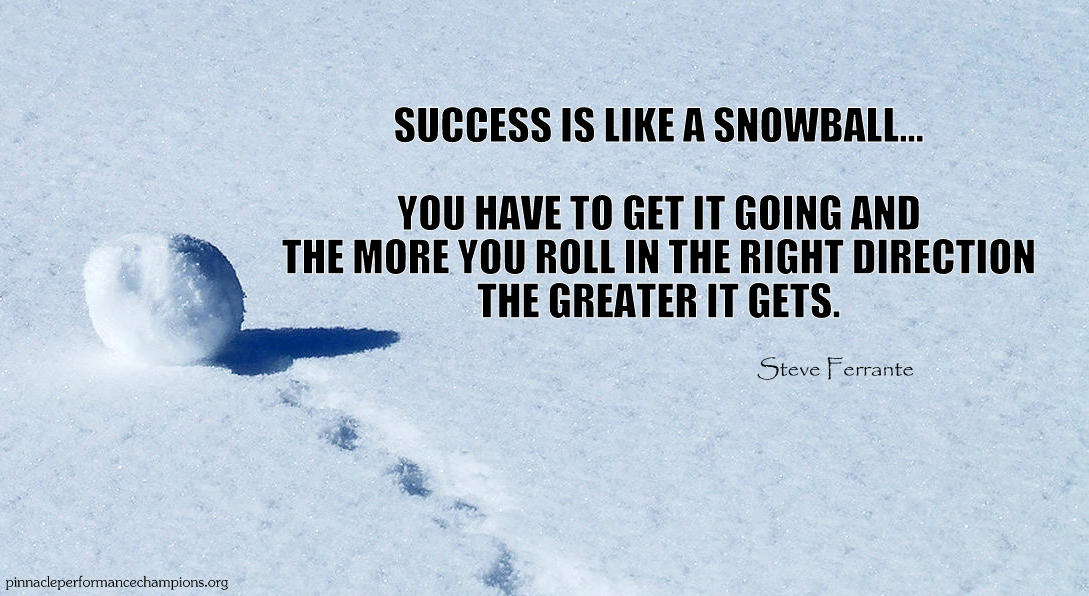
At the end of the day, success is like a snowball.. You have to get it going and the more you roll in the right direction the greater it gets!

Success is like a Snowball

Make a Great Day!

Steve 🙂

Served Without Service

nohumansallowed

In my recent article, Rise of the Machines: Competing With Robots and Other Automated Adversaries, I wrote about the challenges traditional retailers face against businesses that rely on automation as their primary customer interface. 

Well now a new restaurant in San Francisco, Eatsa, is embracing the machines revolution with their almost fully automated eating establishment. 

As shown in this nifty The Robo Restaurant slideshow customers order, pay and receive their food all without any human interaction. There are no counters or servers present. Orders are taken on an iPad and food appears in a cubby located behind transparent LCD screens. 

The end of the world as we know it? No, there are plenty of restaurants doing just fine with their old-fashioned human-to-human service. 

But this is another eye-opening example of how technology is replacing the human interface and changing the face of customer service.

Humanly Yours,

Steve 🙂

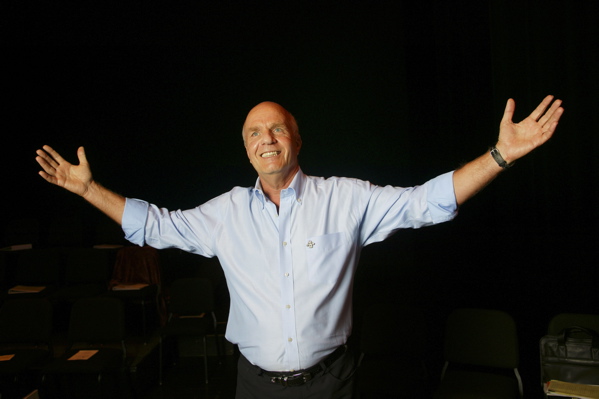
Renowned best-selling self-help author and motivational speaker, Dr. Wayne W. Dyer, died on Saturday at age 75.

He left behind many lessons on life and success.

Here’s my Top 10:

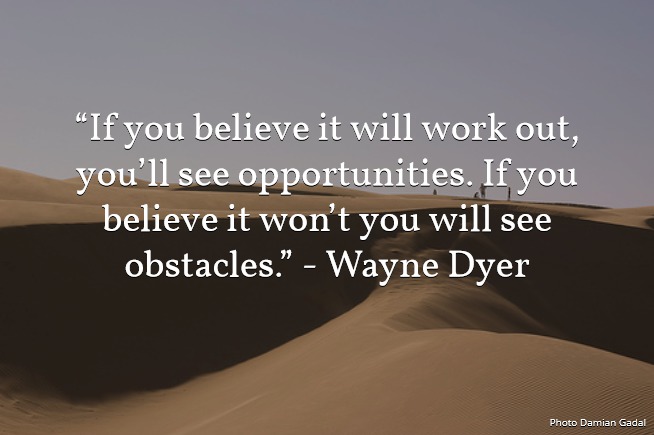
If you believe it will work out , you’ll see opportunities

If you believe it will work out , you’ll see opportunities. If you believe it won’t you will see obstacles.

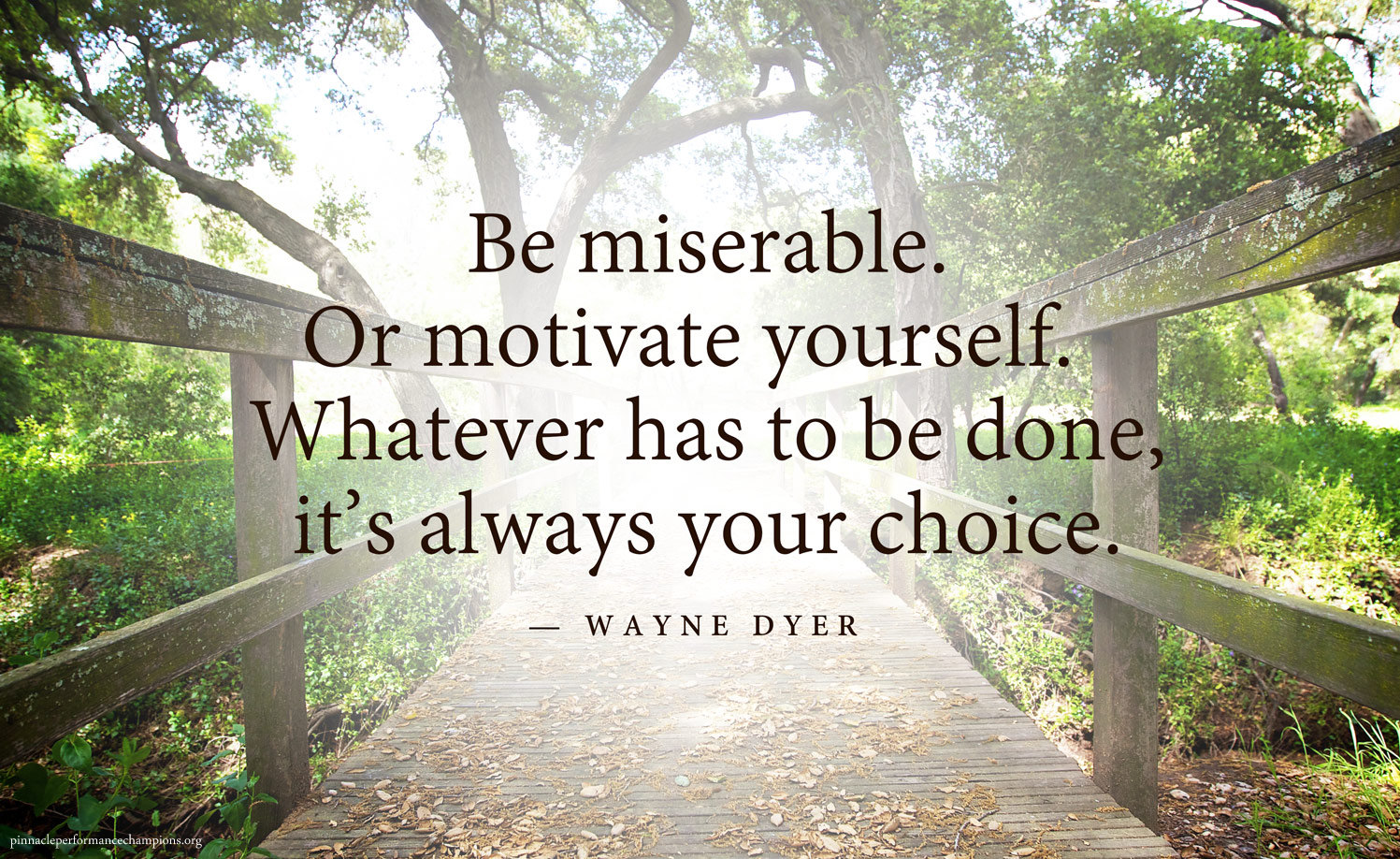
Whatever has to be done, it’s always your choice

Be miserable. Or motivate yourself. Whatever has to be done, it’s always your choice.” – Wayne Dyer

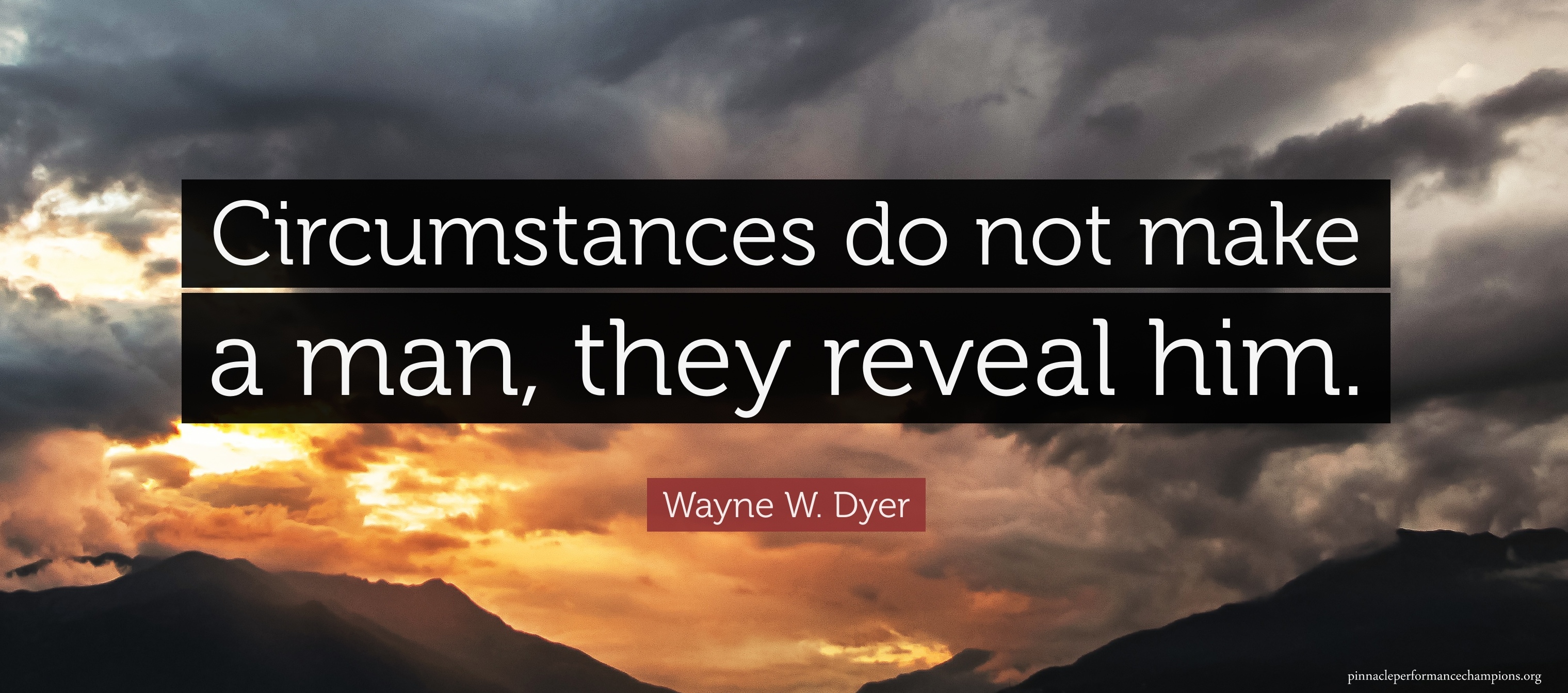
Circumstances do not make the man

Circumstances do not make the man

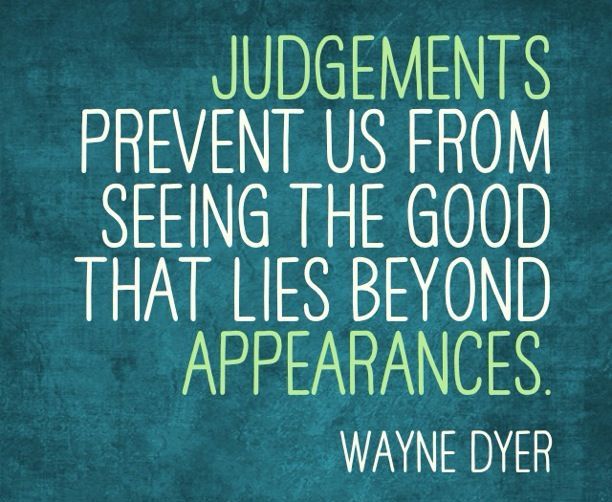
Judgements prevent us from seeing the good

Judgements prevent us from seeing the good

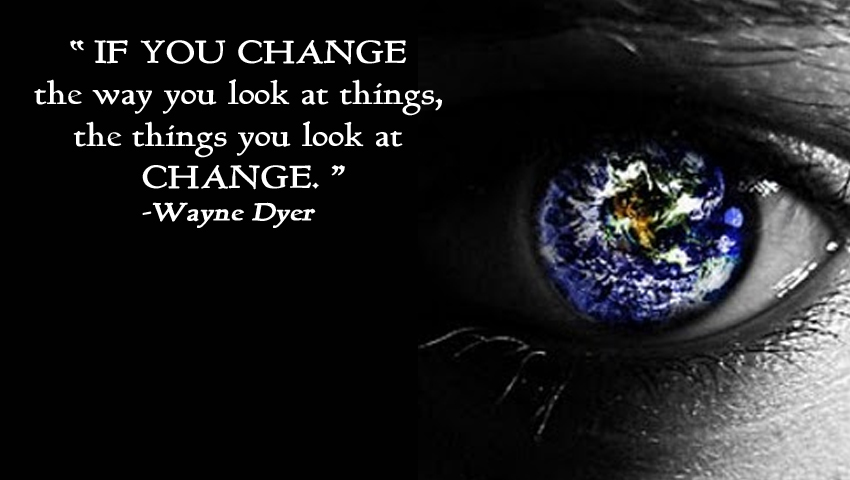
Change the way you look at things

Wayne-Dyer-if-you-change-1

Choose Kind

When you have the choice between being right and being kind just choose kind.

Be a Doer

Being a doer

Believe It To See It

You'll see it when you believe it.

See yourself as what you’d like to become

The more you see yourself as what you'd like to become

Go For It Now

Go for it now. The future is promised to no one.

RIP Wayne Dyer

Wayne-Dyer-the-shift

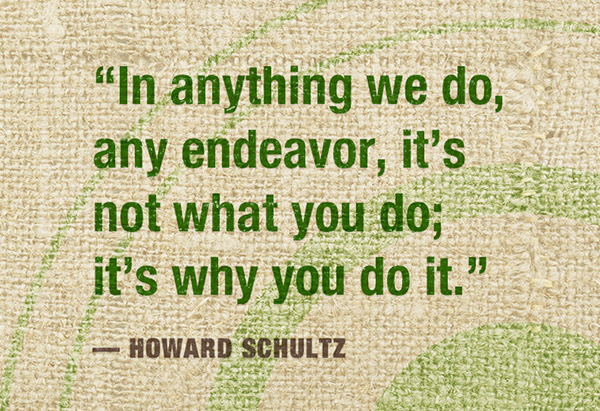
In a down market, most CEO’s focus on the impact to themselves and their business. As detailed in this article I tweeted this morning, Starbuck’s CEO focus is on what really matters instead..

It's Not What You Do, It's Why You Do It

Make a Great Day!

Steve 🙂

sears-customerservice

There was a time when Sears was considered America’s greatest retailer. Sadly, that time has long since passed and today the company is in state of serious distress and, short of a complete overhaul, inevitable collapse.

As I wrote about Radio Shack’s failing back in December, it would be easy to point blame on the changing retail landscape but there are just too many retailers doing well (in the same conditions) to justify that case. 

From my standpoint, and countless thousands of disgruntled past customers, the problem is painfully clear; Sears has long lost its customer focus and anything resembling a customer service culture.

According to Consumer Affairs, an astonishing 86 percent of customers are unsatisfied with Sears’ customer service. That puts them at the bottom of the rankings under their primary competitors Macy’s, JC Penny, and Kohl’s. 

Here’s the Consumer Affairs link to over 1250 bad reviews of Sears Customer Service

Here’s a couple of my recent personal (painful) customer experiences:

How To Lose Friends and Alienate Customers

Incident 1:

On a recent business trip to Indiana, I ripped the seam on my garment bag while attempting to unzip it in my hotel room. Although the timing was terrible for this wardrobe holder malfunction, that bag serviced me well over several years and many thousands of miles of travel. Normally, I would have just ordered a new one on Amazon.com and waited the 2 days for my trusty Prime membership delivery. But, being on the road, and faced with a bag that would no longer close properly, I decided to stop in the Sears in Terra Haute the night before my departure to secure a new one.

The first thing I noticed was how empty the place was. Only a handful of cars out front and only a few people noticeable on my walk through the store to the small luggage section. As I perused the bags for the 8 minutes or so, not one employee was seen but I could hear what sounded like two girls laughing not too far away.

The only customers I could see were in the mattress section directly next to mine, a middle-aged woman pushing an elderly woman in a wheelchair. About 2 minutes after I arrived, the woman asked me “Do you work here?” When I advised I was “just a shopper” she apologized and said, “I can’t find any employees”. A few minutes later I heard her call out to a quickly passing by employee, “Excuse me… do you work here?” The employee, who looked like he was being verbally assaulted, replied “Yes, but I’m leaving now.” “We’ve already been here 15 minutes”, the woman interjected”. “I’ll call someone to help you” he replied, barely breaking stride as he rushed away (I assume for his vehicle). Several more minutes passed and, when nothing materialized, the woman sat on one of the mattresses holding the arm of the wheelchair… “this is crazy Ma, nobody will help us… GUESS THEY DON’T WANT OUR BUSINESS” she just about shouted in a very frustrated tone as she wheeled out of sight. Another one bites the dust.

When I located a suitable garment bag, I made my way towards laughing sounds just around the bend not 15 feet away from where I and the mattress shoppers were. There I found two twenty-something female employees behind a cash register, one standing the other sitting, both on their phones enjoying something far more interesting (to them) then their job.

It was painfully evident that they could care less about any shopper’s experience as the one standing appeared visibly annoyed with the recess interruption as I approached to help fund their paychecks.

Sears Fail

Incident 2:

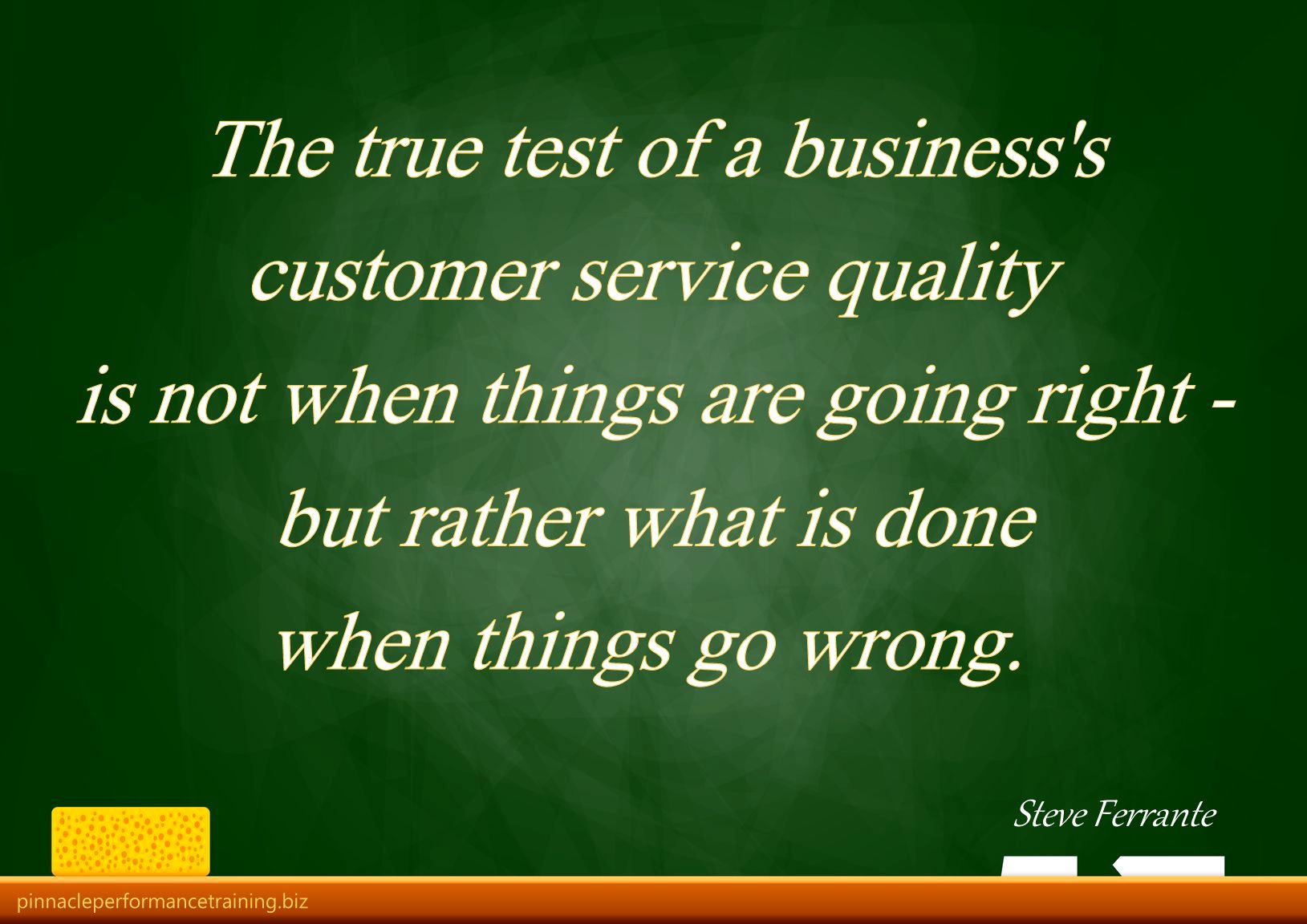
As a customer service/customer experience consultant, I am always on the look-out for how businesses and their employees perform in these areas. This is especially important when it comes to managing problems because, as I wrote about here, the true test of a business’s customer service fitness is not when things are going right – but rather what is done when things go wrong.

With that in mind, here’s the unedited message I sent to Sears customer service last week:

I’m writing to let you know about the terrible experience and utter disappointment we have had with the Kenmore dishwasher we purchased at Sears nearly 2 years ago. 

The dishwasher never performed as advertised when brand new and internal (plastic) parts broke within months of ownership. I tried to comment on my disappointment back then, but my review was considered “too negative” and was never posted. 

The situation only worsened afterwards…

We have had a professional appliance repairman in twice to replace broken parts and the top rack still hangs down to the point of hitting stacked plates on the bottom preventing proper washing. 

Even after pre-rinsing only 50% of the dishes are ever clean and we’re constantly re-washing everything.  Despite using several recommended products, the washing liquid never dispenses properly and the entire inside door is a constant mess of soap gunk. 

I’m happy to send pics of the inside of the unit along with our should be clean dishes. 

In a nutshell, this is not only the worse dishwasher we’ve ever had but the worst appliance of any kind. 

As we’ve given up investing any more money into this machine and must replace, I’m wondering how Sears will respond to this situation and, at this time, a Very Unhappy Customer? 

Steve

The next day I received this reply:

Dear Steve Ferrante, 

Thank you for contacting Sears. I am sorry to hear that your Dishwasher is not cleaning the dishes completely. After reviewing your account, I have scheduled a service for your Dishwasher on 08/14/15 between 1 PM to 5 PM. The technician will call prior to his arrival.

We value your relationship with Sears. Please feel free to contact us back if you have any further questions through email or calling the below provided number.

Sincerely,

Oggy D.

Realizing the dishwasher was now out of warranty, I must admit at this point I was surprised and impressed that not only did Oggy express proper empathy, but he also took action and, on behalf of Sears, scheduled a service technician to come out and ‘take care’ of the customer (me).

Seeing as this not-scheduled-with-me service was now scheduled for that afternoon, I replied:

Oggy,

Appreciate the scheduling of a technician to assess/service dishwasher but today is not ideal… can  we move to Monday afternoon?

Nothing. No reply. Oggy over and out evidently.

At approximately 3PM, I received a call from the Sears tech who told me he was a half hour away. Apparently unaware of my earlier request to reschedule, I let him know I would be there to meet him.

When the tech arrived, he dug right in to the machine, taking the top rack out… pulling the bottom drain thingy out… spinning the lower spray arm. It sure looked like progress! Then he commented on how the plastic pieces that hold the top rack up were broken and needed to be replaced. Being well aware of this I inquired, “what exactly did Sears tell you?” “What do you mean?” he responded with a bewildered expression on his face.  I let him know that I didn’t request service and that his visit was something Sears scheduled, not me, and that I assumed this was a courtesy call.

The tech was quick to tell me that he wasn’t aware of any of that, I would “have to pay for it”, and that even if I didn’t want the machine fixed there would still be a $75 fee for the visit.

Isn’t that special?

So, I grabbed my iPad and pulled up the email I originally sent to Sears and reviewed with him. I pointed out the “I’m done investing into this machine” part and asked him what he thought. He admitted to being perplexed as to why he was sent but that, as far as he was concerned, this was just another service call.

It really wasn’t the serviceman’s fault, so I called Sears Customer Service and attempted to get Oggy on the line. No can do said the representative, but she could help me. I explained the situation and let her know that I was now standing next to the technician who expects to be paid for a service call I did not ask for or, at this point, want.

She let me know that they don’t schedule courtesy service calls and I would indeed need to pay for the visit. I asked if she had access to my original email and she replied they do not have access to email (evidently still telegraphing in her department). I politely asked to speak with her manager. She let me know that she had “manager responsibilities'” and there was no one else there that could help me. I asked for her name. Maria said she could not provide her full name, instead offering me a 7-digit ID number. I asked if the call was being recorded and, if so, how I could obtain a copy. Maria at first denied then admitted the call may be recorded but there was “no way” I could receive.

Ultimately, Sears turned my request for feedback into a sales call and stuck me with the bill. Adding insult to injury, their customer service representative, in a manner befitting a bill collector, made me feel like I had stolen something from them.

Sadly, Sears has clearly lost its way and sight of its two most important assets: it’s employees and customers. Suffering from a poor corporate culture and no signs of an effective customer service training in place, Sears is left with disengaged employees alienating existing and would-be customers on a daily basis.

At this rate of rapid decline, it likely will not be long before Sears joins the list of once-great failed retailers.

Steve

This article is also on LinkedIn > SEARS: A Case Study On How Terrible Customer Service Can Ruin A Brand

Got the Monday blues? Having a difficult time re-focusing on work after a weekend of summer recreational activities?

Well you’re certainly not alone. Countless sales and service professionals have trouble getting out of first gear on Monday mornings, summertime or not. 

That slow start often results in a weak finish and, in any event, is not the best way to position yourself for a winning week.

So let’s put the kibosh on that right here and now!

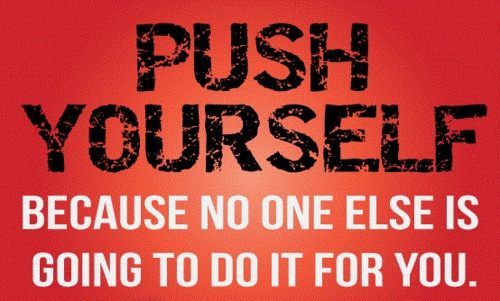
PUSH YOURSELF..

Push Yourself

& HUSTLE!

????????????????????????????????

Make a Great Day!

Steve 🙂

Follow Steve’s Pinnacle Performance Quotes on Pinterest

No-Nay-Sayers

On your path to success, you will inevitably encounter those negative Ned’s and Nelly’s who will freely offer their opinion as to why you will not be successful. Sadly, these naysayers may even be your friends and relatives. These defeatist types will discourage your success and, if not dealt with effectively, can prevent you from achieving all that you are capable of achieving.

Here’s my Top 3 Rules For Dealing With Naysayers Who Discourage Your Success:

1) Assess Them

Assess The Situation

People who say it cannot be done should not interrupt those who are doing it. 

Often the naysayers simply don’t have all the facts. They haven’t done your due-diligence and put in the time and effort it takes to succeed in your position.

You have done all that, right? Good, you have the upper-hand then and should have supreme confidence in your pursuit to succeed at whatever it is your pursuing.

When someone is discouraging your goal, there’s a couple important questions you should ask yourself of them: 

  1. Is the person successful in the goal that I’m striving to achieve?
  2. Does this person have real experience and expertise in what he/she is advising me on?

If the answers to these two telling questions are “No” then it would most likely be beneficial to not heed their advice. For instance, if your buddy Larry, who’s a plumber (not that there’s anything wrong with that) is discouraging your goal of being the best salesperson at your company well then;

  1. What is Larry’s track record in sales? Has he achieved the type of sales success I’m striving to achieve?
  2. Does Larry have real experience in my role and/or expertise in my profession/business?

If the answers are “No” then Larry is most likely not your best source of guidance, support and inspiration. Instead, ignore the naysayers like Larry and seek the advice of those who are already successful in what your trying to achieve.

2) Protect Your Blocks

Protect Your Blocks

If people are trying to bring you down, it only means that you are above them. 

Remember when you were a preschooler..  or maybe you have one of those little people now? Either way, you or yours probably used building blocks among other tots in some sort of “play group”. If so, then this should sound familiar..

Building blocks.. cool.. what can I build? I know.. a skyscraper.. big and tall and cool.. the biggest best skyscraper in the city!

And so it begins.. you start building.. focused on the goal.. 1 block, 2 blocks, 20, 40.. getting higher.. this is going to be AWESOME! Then bratty Bobby (every play group has one) comes and knocks over your blocks.. dreams demolished.. Game Over.  

Naysayer’s are just like that.  They can’t have you building something brilliant while their blocks are a big disorganized pile of poo.  They’ll look to knock down your blocks and level the playing field as it were.

Don’t let that happen.. Protect Your Blocks! Be selective and share your goals only with those you know to be encouraging and supportive. Share your goals with everyone with ears (or a Facebook account) and you set yourself up for discouragement as you dramatically increase your exposure to the naysayers who would relish the opportunity to knock over your blocks. 

3) Don’t Engage

Some people are like clouds. When they disappear, it’s a brighter day.

One of the worst things you can do is actively engage a naysayer. As I referenced in my previous rule, you invite this when you carelessly share your goals with everybody. 

When you actively engage with a naysayer you actively engage in unproductive behavior.  Given a naysayer’s lack of belief, you may feel the overwhelming urge to set the record straight and make your case as to why you will indeed succeed. Don’t bother.. you’ll end up wasting an awful lot of time and risk shaking your confidence in the process.

Naysayers can always find reasons why your goals won’t work. What you tell (and believe) yourself is all that really matters. You don’t need a naysayers belief or commitment to succeed, you only need your own. So avoid engaging the naysayers, stay focused and keep moving forward towards your goal. 

There will always be naysayers that discourage and won’t join you on your path to success. That’s okay.. they need not come along. You’re going anyway.

Fast Moving Train To Success

Make a Great Day!

Steve 🙂

steveferrante.com

Tag Cloud